Complete guide
Hel Peninsula from the inside: guide with Jastarnia as base
Hel Peninsula from the inside: 5 towns on the spit, 2 seas, the narrowest point, access via 213/216, and Jastarnia as your base. Hub with 24 guides.
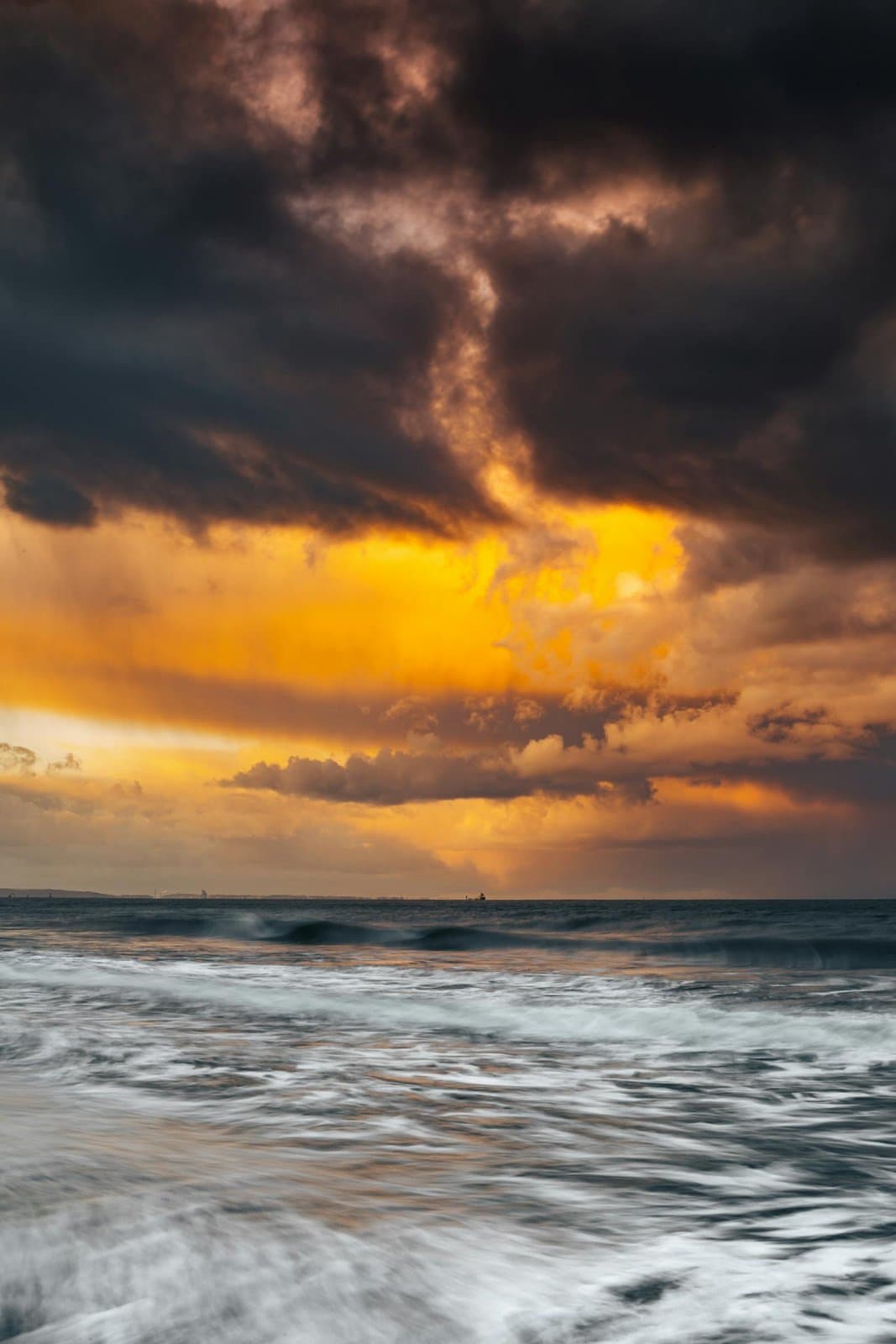
The Hel Peninsula is a narrow spit about 35 kilometers long, with one railway line and one main road, but in practice, it features five very different towns and two completely distinct seas on either side. This guide to the Hel Peninsula gathers the most important facts in one place: where to stay, when to go, how to get there, and how to safely enjoy both shores, with Jastarnia and Apartament Zdrojowy 323 as a natural base in the geographical center of the spit.
In brief: The Hel Peninsula is about 34-35 km long; on the spit itself are Chałupy, Kuźnica, Jastarnia, Jurata, and Hel, and at its base, on the mainland, Władysławowo. At its narrowest point, between Chałupy and Kuźnica, the land is only 100-150 meters wide, and at the cape in Hel, it widens to over 3 kilometers. On one side is the calm, shallow, and warm Puck Bay, on the other the open Baltic Sea with waves. Access is provided by railway line 213 and provincial road 216, and the most convenient base is centrally located Jastarnia.
Table of contents
- How the peninsula works - five towns, two seas
- Where to stay - Hel, Jastarnia, Jurata, Kuznica, Chalupy
- Budget vs premium - realistic 2026 costs
- Seasonality - when to actually visit
- Transport - car, train, ferry, low-emission option
- Water safety - Puck Bay vs open Baltic
- Accessibility - wheelchairs and limited mobility
- Dogs on the Baltic - rules and dog beaches
- Jastarnia as a base - for Puck Bay, Kashubia and Tricity
- Sport and workation - kitesurfing + remote work
- First-timer mistakes - what to avoid
- Coherent trip plan - how to assemble the trip
How the peninsula works: five towns, two seas
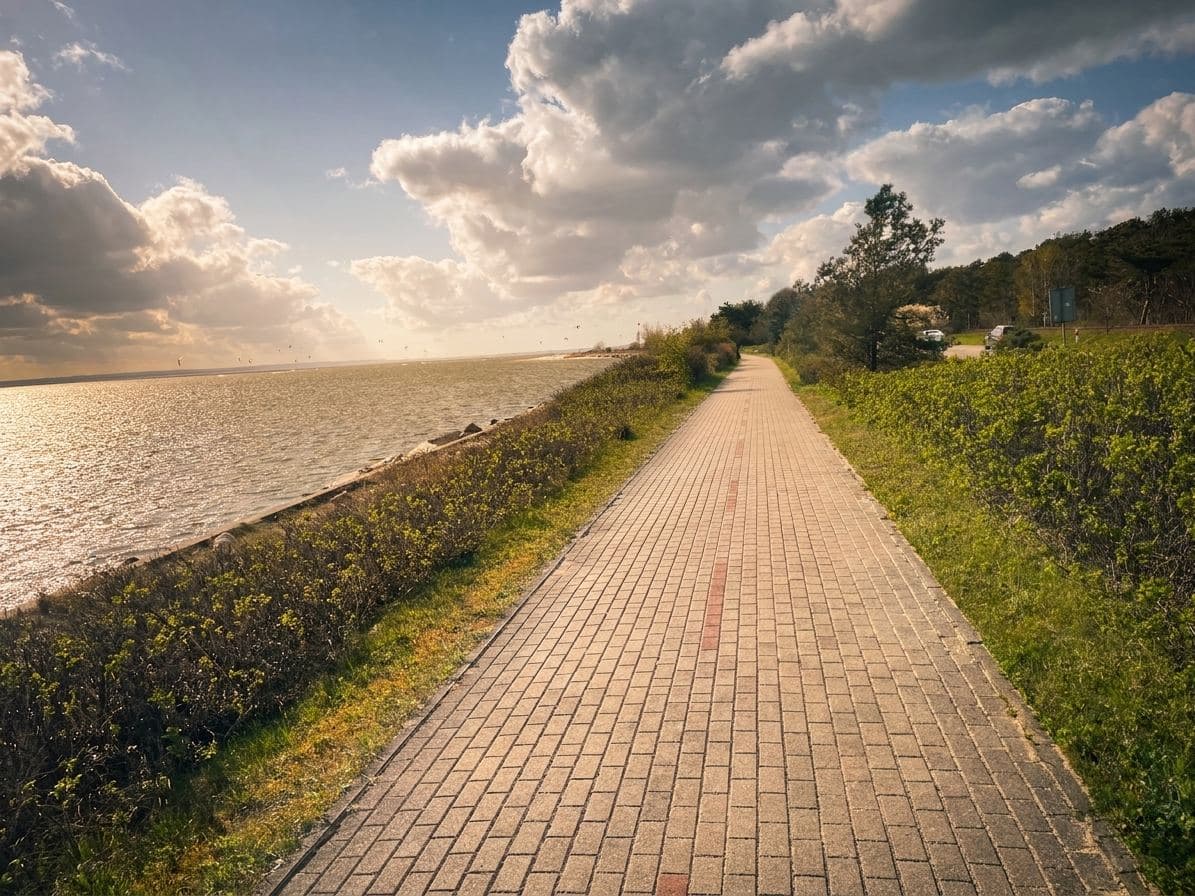
The spit stretches about 35 km from Wladyslawowo at the mainland end to Hel at the tip. Five towns sit on the spit itself, from west to east: Chalupy (kite zone), Kuznica (quietest, residential), Jastarnia (middle, hotel cluster), Jurata (premium, manicured) and Hel (cape, museums, seals). Wladyslawowo sits at the base, already on the mainland, as the gateway. The open Baltic runs along the north side, Puck Bay along the south. Width varies from just 100-150 m at the narrowest to over 3 km at the widest. One road (DK216) and one rail line (Polregio 213) connect everything.
The two-sea geography is the peninsula's signature feature. Open Baltic gives waves, dunes, and a classic surf-and-sand look. Puck Bay gives shallow warm water, calm conditions, family bathing. Most travellers want access to both, which is why middle-spit bases (Jastarnia, Jurata) work better than end-spit bases (Hel, Wladyslawowo).
What towns are on the Hel Peninsula?
On the spit itself there are five main towns: Chałupy, Kuźnica, Jastarnia, Jurata, and at the end, Hel. At its base, on the mainland, lies Władysławowo. Going from the base towards the cape, you pass them in this order. Each has a different character, from the intimate Chałupy and Kuźnica, through family-friendly Jastarnia and elegant Jurata, to Hel with its Seal Centre and cape.
Where is the narrowest point on the Hel Peninsula?
The narrowest part of the peninsula is located between Chałupy and Kuźnica, where the strip of land is only 100-150 meters wide. At this point, you can see the open Baltic Sea on one side and the Puck Bay on the other almost simultaneously. For comparison, at the cape in Hel, the spit widens to over 3 kilometers.
Will the Hel Peninsula disappear?
The peninsula will not disappear overnight, but it is genuinely threatened by erosion and storms, especially at its narrowest point. Experts have been warning for years that without systematic coastal protection, the spit could be breached during strong storms, which is why the shores are artificially nourished with sand and reinforced. For tourists, this primarily means it is worth respecting the dunes and vegetation that protect the peninsula.
Where to stay: Hel, Jastarnia, Jurata, Kuznica, Chalupy
Each town has a profile. Jastarnia: hotel cluster around Mickiewicza Street, pool/SPA infrastructure, walking distance to both beach types, year-round restaurants, train station 5-10 minutes' walk. Best universal base. Jurata: premium and quieter, more residential, top hotels (Bryza), more expensive. Hel town: end of spit, Cape access, Seal Centre, museums, but every mainland trip requires re-crossing the peninsula. Kuznica: quietest, very shallow bay, dog beach, smaller infrastructure. Chalupy: kite zone, fewest tourist amenities, residential.
Full town-by-town comparison: where to stay on Hel.
Budget vs premium: realistic 2026 costs
Budget couple week: 2500-4000 PLN total (accommodation 1700-3400 + rail 60-100 + dining mix 700-1200 + attractions 300-500). Family of four: 4000-7000 PLN. Premium couple week in SPA hotel: 8000-12000 PLN. Mid-range strategy of premium accommodation plus mixed dining: 3500-5500 PLN per couple. Peak season July-August adds 200-300% to accommodation only; food, rail and attractions stay year-round stable. Off-season October-November drops accommodation to 35-50% of summer.
Full cost breakdown: Hel Peninsula budget vs premium.
Seasonality: when to actually visit
Four levels through the year. Very high (July-August): warmest 19-21°C, water 18-22°C, full restaurants and attractions, peak prices, full crowds. High (May-June-September): 14-22°C, water 12-19°C, prices 25-40% below peak, calm but active. Low (April, October-November): 5-13°C, prices 50-70% below peak, indoor focus, off-season quiet. Very low (December-February): zero crowd, pool and SPA dominate, photographic quiet.
Workation suits May, June, September; families with school-age children land on July-August; couples and thoughtful travelers find April-May or September-October optimal. Full month-by-month: when is Hel crowded.
For photography fans, seasonality has another dimension, described in the guide to 10 photography spots for the golden hour, which shows when the pier in Jastarnia and the dunes in Jurata work best for a photographer.
The most intense calendar moment is of course August, whose rhythm of crowds, jams and beach windows is detailed in the guide on how to survive August on the Hel Peninsula.
Transport: car, train, ferry, low-emission option
Three modes. Car: maximum flexibility but DK216 traffic risk in season (3-5 hour delays July-August). Train: Polregio line 213 from Tricity, 42 daily summer services, predictable 90-115 minute Gdynia-Hel time. Ferry: Zegluga Gdanska Gdansk-Hel seasonal (May-September), about 2-2.5 hours, experience-first. For low-emission travel, rail produces 3x less CO2 per passenger than car, according to European Environment Agency data cited by Polregio.
Three guides: ferry, train, car comparison, a week on Hel without a car, low-emission travel.
Water safety: Puck Bay vs open Baltic
Bay side: shallow (30-70 m of knee-deep water from shore in many spots), calm waves under 0.4 m on most days, 2-3°C warmer than open Baltic. Safe for children 0-8 under adult supervision. Baltic side: waves 0.5-1.5 m typical, storms 3-4 m, faster seabed drop, requires more respect. For families with very small children stay on the bay. Mixed family with older kids can use both sides. Guarded beach hours: 10:00-18:00 June-August. Flag system: white OK, red forbidden.
Full bay-vs-Baltic analysis: safe bathing with children.
Hel accessible to wheelchairs and limited mobility
Jastarnia municipality is noted for its peninsula accessibility. Entrance 48 holds an Accessible Beach Certificate, scoring 76/100 in the Machina Zmian 2022 audit. Entrance 46 modernised ramp. Beach wheelchairs with lifeguard help at entrances 46 (Jastarnia), 33 (Kuznica), 60 (Jurata). Year-round hotel infrastructure (Dom Zdrojowy elevators, 40 cm wading pool, accessible main pool, accessible rooms) makes Jastarnia the strongest base for accessible trips. Hel town partial; Wladyslawowo and Chalupy variable - verify entrance by entrance.
Full accessibility guide: Hel accessible to wheelchairs and limited mobility. With children 0-10 it is also worth having an indoor attractions map for a rainy day, gathered by rainy day attractions for children 0-10 on the peninsula.
For families with younger children, a natural addition here is the playground map of the Hel Peninsula, which describes concrete locations of municipal playgrounds, inflatables and rope parks in Jastarnia, Hel and Jurata.
Dogs on the Baltic: rules and dog beaches
Jastarnia municipality §17 resolution forbids dogs on regular beaches 1 May - 30 September. Two year-round dog beaches: Kuznica entrance 31 (some sources cite entrance 29) and Jurata entrance 55. Fine up to 500 PLN for violations. Hel town has different rules - generally more dog-friendly outside guarded zones. Off-season (October-April) all peninsula beaches accept dogs without restrictions. Maritime air suits active breeds.
Full dog guide: dogs on the Baltic: beaches and rules.
Jastarnia as a base for Puck Bay, Kashubia and Tricity
Three day-trip directions from Jastarnia. To Hel: 25-30 minutes by train, Seal Centre + Cape + museums + Wiejska Street. To Kashubia: 35-45 minutes to Puck (gateway), 60-75 minutes to Wejherowo (museum, Kalvaria), 90-120 minutes by car to Kashubian Lakes. To Tricity: 75-90 minutes by train, full city break (Gdansk Old Town, Gdynia waterfront, Sopot pier). Marina enables Puck Bay cruises (April-October).
Full Jastarnia base guide: Jastarnia as a base for Puck Bay and Kashubia, plus Tricity in one day from Jastarnia.
Evenings in Jastarnia round off naturally at the local fish restaurants. We have collected seven proven addresses in the guide to top 7 fish restaurants in Jastarnia, sorted by season, atmosphere and price profile.
Sport and workation: kitesurfing plus remote work
Jastarnia is the unofficial Polish kitesurfing capital. The bay-side lasha sandbank provides flat-water learning conditions, schools operate May-September, course prices roughly 175-280 PLN per hour. Age 12+, English available at most schools.
Workation works year-round but optimally May-June and September. Stable WiFi at hotels with workation programmes, walking access to both beaches, train station 5-10 minutes from main hotels, maritime microclimate for focused work.
Two dedicated guides: kitesurfing for beginners and workation step by step. Whether the peninsula has a classic coworking and what the real remote work options in Jastarnia look like is described by coworking on the Hel Peninsula: does it really exist. Watersports also include windsurfing as a calmer alternative to kite and fishing in Puck Bay, while older children get their own list in teen attractions on Hel.
For visitors looking for a cultural layer beyond sport, the peninsula has recently developed a full film trail with shooting locations from the series "Zbrodnia" and "Scheda" and the film "Heaven in Hell", which fits well with a longer stay in Jastarnia.
Common first-timer mistakes
Seven classics: driving DK216 on a peak Saturday morning, last-minute booking in July, packing only shorts (Hel wind chills evenings), ignoring beach rules with a dog, bathing children without checking bay vs Baltic, choosing Hel as a base for inland day trips, trying to "tick everything" in one day.
All seven plus fixes: seven mistakes first-time visitors make.
For rainy weekend backup, packing lists and last-minute booking patterns also see rainy weekend in Jastarnia, seasonal packing lists, last-minute weekend.
How to assemble a coherent trip plan
A five-step decision sequence. First: pick the month (off-season for quiet plus workation, June/September for shoulder, July-August for full beach). Second: pick the base (Jastarnia universal default, Hel for end-spit focus, Jurata for premium). Third: pick the transport mode (rail preferred for predictability and emissions; car for off-season flexibility). Fourth: assemble a day rhythm (3-4 attractions per day max, mixed indoor-outdoor). Fifth: book 3-4 weeks ahead for peak season, 1-2 weeks for shoulder, last-minute for off-season.
Family with children: off-season Hel with children, Wladyslawowo-Jastarnia-Hel one-day loop, ferry plus train loop, a first trip with a baby. Couples and solo: workation guides plus the bay vs Baltic comparison. Active travellers: kitesurfing plus the no-car-week guide. For nature focus: peninsula nature and microclimate, Puck Bay calm waters, peninsula without a car, birds of the peninsula, wild seals on Hel, bunkers and fortifications. Seasonal context: is Hel open in November.
Apartament Zdrojowy 323 at Hotel Dom Zdrojowy in Jastarnia sits in the middle of the peninsula, 600 m from the train station, walking distance to both Baltic and Puck Bay beaches, with year-round pool (9:00-21:00) and SPA infrastructure. The price list and booking work directly, with no OTA commission, offering direct savings of up to 15% per booking.
A full list of what to see at the end of the spit, with tickets and visiting times, is gathered in the guide Hel attractions: what to see.
Sources
Frequently asked questions
What towns are on the Hel Peninsula?
On the spit itself there are five main towns: Chałupy, Kuźnica, Jastarnia, Jurata, and at the end, Hel. At its base, on the mainland, lies Władysławowo. Going from the base towards the cape, you pass them in this order. Each has a different character, from the intimate Chałupy and Kuźnica, through family-friendly Jastarnia and elegant Jurata, to Hel with its Seal Centre and cape.
Where is the narrowest point on the Hel Peninsula?
The narrowest part of the peninsula is located between Chałupy and Kuźnica, where the strip of land is only 100-150 meters wide, and you can see the open Baltic Sea on one side and the Puck Bay on the other. This is also the section most vulnerable to erosion. For comparison, at the cape in Hel, the spit widens to over 3 kilometers.
Will the Hel Peninsula disappear?
Not overnight, but it is genuinely threatened by erosion and storms, especially at its narrowest point. Experts warn that without systematic coastal protection, the spit could be breached during storms, and over many decades its shape will change. Therefore, the shores are artificially nourished with sand, and tourists are asked to respect the dunes and vegetation.
How many kilometers long is the Hel Peninsula?
The Hel Peninsula is about 34-35 kilometers long. It is crossed by railway line number 213 and provincial road 216 connecting Reda with Hel. In season, it is most convenient to travel by train, as the only road through the spit often has traffic jams in summer.