Nature & climate
Puck Bay as a calm body of water with a base in Jastarnia
Puck Bay is the calmest water on the Polish coast: shallow, warm, sheltered by the Hel Peninsula. Cruises, swimming, water sports, base in Jastarnia.
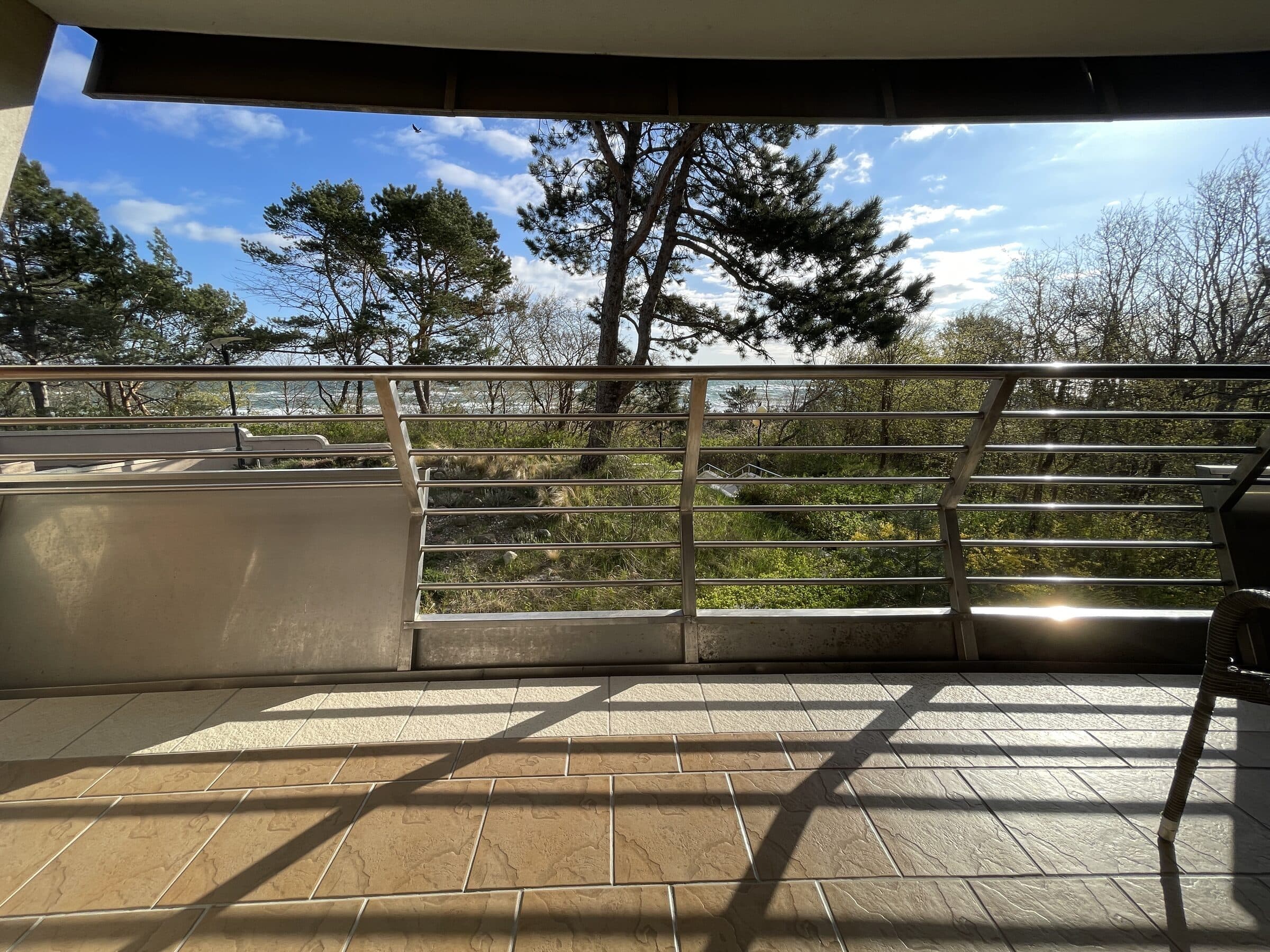
Puck Bay is the calmest and warmest body of water on the Polish coast, and swimming in its shallow, sheltered waters is easier and safer than on the open Baltic Sea side. Sheltered by the Hel Peninsula, the shallow and rapidly warming bay is a natural base for family swimming, water sports, and cruises. From Jastarnia, it's literally on the other side of the spit.
In short: you can swim safely in Puck Bay, preferably at supervised bathing areas in Jastarnia, Puck, Hel, or Jurata, usually from July to the end of August. The water is shallow (averaging about 3 m), sheltered, and warm, often above 22 degrees in summer, which is much warmer than the open Baltic Sea. You can check water quality and any cyanobacteria on the GIS Bathing Service website. It's also a water sports spot and a starting point for cruises from Jastarnia port.
Can you swim in Puck Bay?
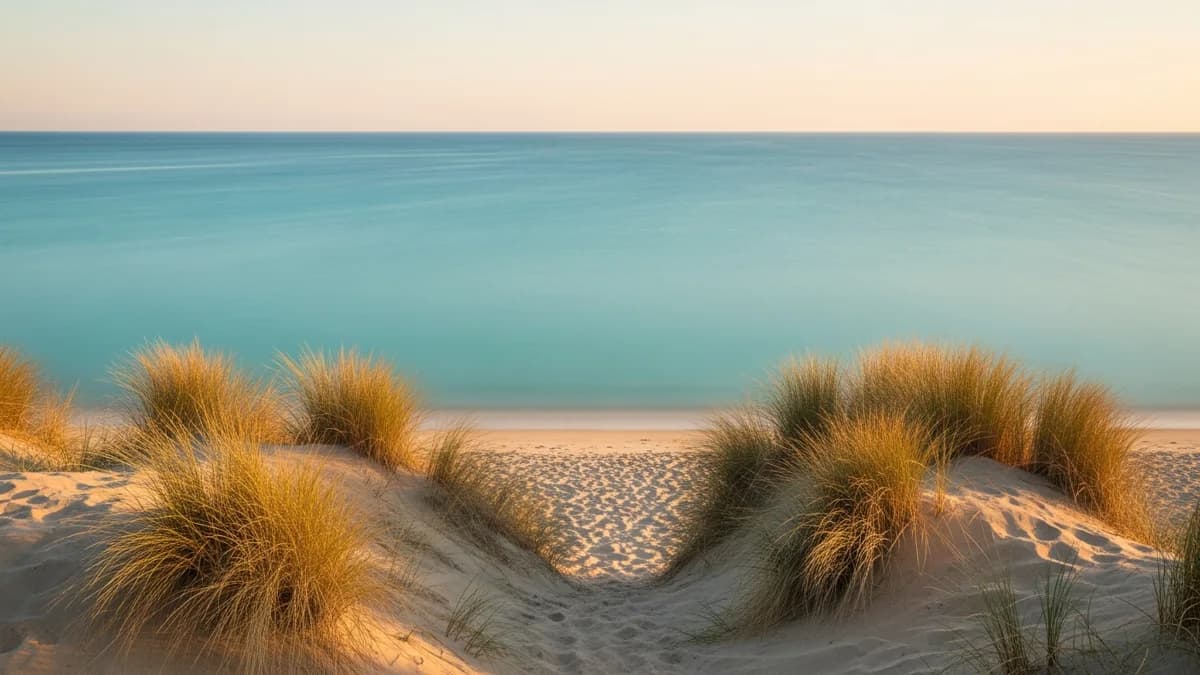
Yes, you can swim safely in Puck Bay, preferably at designated supervised bathing areas. The swimming season in the bay usually lasts from early July to the end of August, and the water here is shallow and calm, making it well-suited for children. Most supervised bathing areas operate in Jastarnia, Puck, Hel, and Jurata.
On the bay side, entry to the water is gentle, and the bottom is sandy, without sudden drops. This is a big difference compared to the open Baltic Sea, where waves and currents are more common. Safe swimming with children on the bay side is discussed separately in the guide Safe swimming with children.
Is the water in Puck Bay clean and are there cyanobacteria?
Water in supervised bathing areas is regularly tested and usually assessed as suitable for swimming, but in summer, with warm and calm water, cyanobacteria blooms may appear. Cyanobacteria most often occur in July and August, and in case of a bloom, the sanitary authorities introduce a temporary swimming ban. Therefore, it is worth checking the current status of the bathing area before entering the water.
The easiest way to do this is on the official Bathing Service website of the Chief Sanitary Inspectorate at sk.gis.gov.pl, where current water test results and information about bans are published. Simply find a specific bathing area, for example in Jastarnia, and check its status before going to the beach.
Why is the water in the bay warmer and calmer than in the open sea?
This is determined by the Hel Peninsula, which separates Puck Bay from the open Baltic Sea and creates a natural barrier against waves, wind, and cold currents. In addition, the shallow depth, averaging about 3 meters, means that the shallow water heats up quickly in the sun. As a result, in summer the temperature in the bay often exceeds 22 degrees, and during heatwaves it can be even higher.
On the open sea side, the water can be much colder at the same time, especially when so-called upwelling occurs, which is the pushing of cold water from the depths. The mechanism of two different bodies of water on both sides of the spit is described in more detail in the guide The Hel Peninsula from the inside.
Where are the supervised bathing areas on Puck Bay?
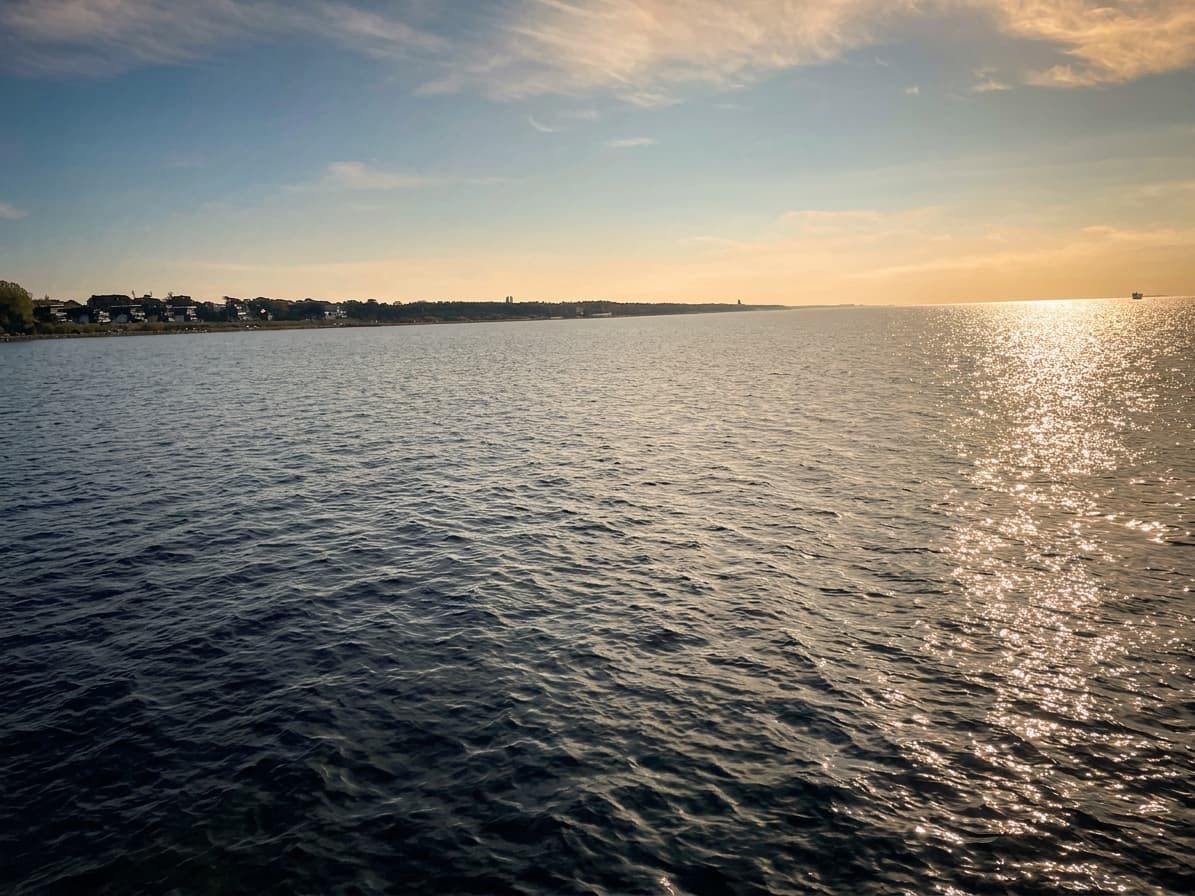
Closest to Jastarnia, a convenient choice is the local bathing area on the bay side, similar to the supervised bathing area in Puck deeper in the bay. Within a short train or car ride, there are also bathing areas in Jurata and Hel, although some of them are already on the open Baltic Sea side - before going, it's worth checking whether a given bathing area is on the bay or sea side. Each of them operates seasonally, usually in July and August, with lifeguards and a designated, marked area.
When choosing a bathing area with children, it's worth considering not only the distance but also whether it is supervised and what the entry to the water looks like. On the bay side, almost everywhere the water remains waist-deep for a long stretch, which provides comfort and peace of mind for parents. The guide Where to stay on Hel suggests where to locate for such a stay.
Water sports on the bay - łaszka, kite and windsurfing
The shallow and flat water of the bay is not only for swimming but also one of the best areas in Poland for learning water sports. The famous 'łaszka' near Jastarnia, a vast shallows with waist-deep water, is a natural training ground for kite and windsurfing students. After falling, you simply stand on the sandy bottom and try again.
The easiest way to start learning is with one of the two sports, and the conditions and prices are described in the guides Kitesurfing in Jastarnia for beginners and Windsurfing in Jastarnia. Both use the same, calm side of the spit.
Cruises and water tram from Jastarnia port
Puck Bay is also good to explore from the water. In summer, scenic cruises and a water tram depart from Jastarnia port, which - depending on the season and schedule - can take you to Hel and Gdynia, among other places, and further into the Gdańsk Bay area, avoiding traffic jams on the only road across the spit. This is a convenient way for a day trip without a car.
A cruise also offers a different perspective on the peninsula and its two different shores, calm on the bay side and open on the sea side. The logistics of such car-free trips are organized in the guide A week on Hel without a car.
Jastarnia as a base on Puck Bay and a gateway to Kashubia
Jastarnia has the advantage of being located in the middle of the peninsula, with the bay on one side and the open sea on the other, within walking distance. This means that one day you can swim in the calm, warm waters of the bay in the morning, and in the afternoon go for waves on the Baltic Sea side. It is also a convenient starting point for trips to Kashubia and Trójmiasto.
For such a stay to make sense, it's good to have a calm base with a view of the water. This role is played by Apartament Zdrojowy 323 in Hotel Dom Zdrojowy in Jastarnia, from which the port, pier, and beach are just a few minutes' walk away.
The bay's calm waters are also a base for boating: sightseeing trips, fishing outings and private charters from the port in Jastarnia are gathered in our guide to boat trips on Puck Bay and along Hel.
Sources
Frequently asked questions
Can you swim in Puck Bay?
Yes, you can swim safely in Puck Bay, preferably at supervised bathing areas in Jastarnia, Puck, Hel, and Jurata. The swimming season usually lasts from early July to the end of August. The water is shallow, sheltered, and warm, and the entry is gentle, so swimming on the bay side is great with children. It's worth checking the bathing area status on the GIS Bathing Service website before entering.
Are there cyanobacteria (blue-green algae) in Puck Bay and is the water clean?
Water in supervised bathing areas is regularly tested and usually suitable for swimming, but in summer, with warm and calm water, cyanobacteria blooms may appear, most often in July and August. In case of a bloom, the sanitary authorities introduce a temporary swimming ban. The current water status and any bans are best checked on the official GIS Bathing Service website at sk.gis.gov.pl.
Why is the water in Puck Bay warmer than in the open Baltic Sea?
Because the bay is shallow, averaging about 3 meters, and sheltered by the Hel Peninsula, which protects it from waves, wind, and cold currents from the open sea. Shallow, sheltered water heats up quickly in the sun, which is why in summer the temperature in the bay often exceeds 22 degrees, while on the open Baltic Sea side it can be much colder, especially during upwelling.
Can you do water sports in Puck Bay?
Yes, the shallow and flat water of the bay is one of the best areas in Poland for learning kitesurfing and windsurfing. The famous 'łaszka' near Jastarnia, a vast shallows with waist-deep water, is a natural training ground for students. Scenic cruises and a water tram also depart from Jastarnia port, which - depending on the season and schedule - can take you to Hel and Gdynia, among other places, and further into the Gdańsk Bay area.