Seasonality
When to visit Hel? Picking a quieter month in 2026
When to visit Hel? The year in four crowd levels: peak Jul-Aug, high May-Jun-Sep, quiet April and Oct-Nov, calm winter. Match the month to your trip.
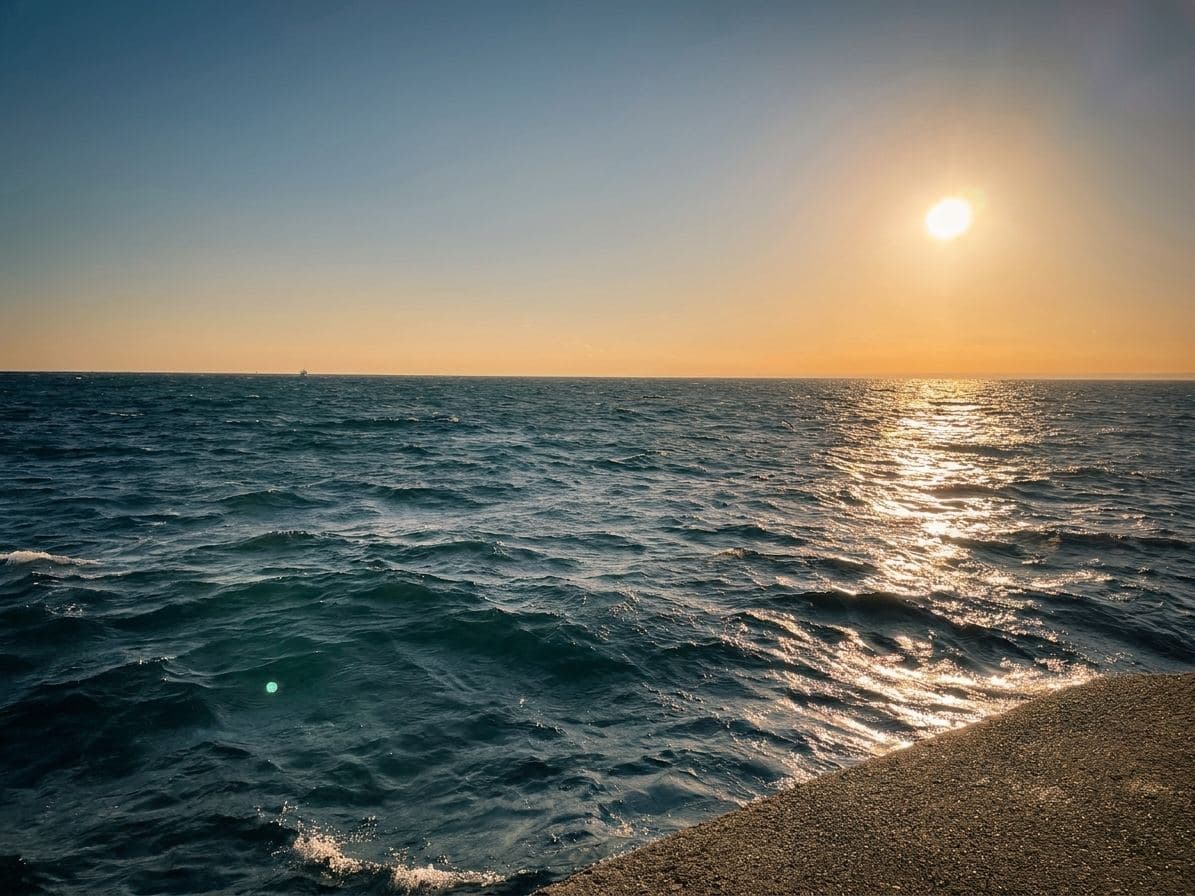
When to visit Hel depends on what you are looking for: warm water and full attractions, or peace, space, and lower prices. The Hel Peninsula changes drastically throughout the year, from a besieged July and August to an almost empty November. This guide organizes the entire season into four levels of crowding, so you can choose the month that suits your travel style.
In short: most people are present in July and August (peak, warmest water around 19 degrees). May, June, and September are high, but tolerable, seasons with good weather and fewer crowds. April, October, and November are quiet and inexpensive, though swimming is out. Winter brings silence, wind, and storms. For couples and those without children, September is often the best compromise; for school families, July and August remain.
When is the best time to visit Hel?
The best time depends on your priority. For the warmest water and full attractions, August (water averaging around 19 degrees) or July (warmest air, up to about 21 degrees) are best, but they are also the most crowded. For good weather without peak crowds, choose June or September. For peace, long empty walks, and low prices, aim for May, October, or November. September is the best compromise here: the water is still tolerable after the warm summer, days are sunny, and the crowds disappear with the start of the school year.
When is Hel most crowded?
Very crowded Hel means July and August, which are school holidays, vacations, and the best weather all concentrated on one narrow strip of land. Traffic jams on road 216 can last for hours, accommodations sell out well in advance, and beaches fill up with windbreaks in the middle of the day. The culmination falls on the first three weeks of August, especially around August 15. How to survive this period when you have no other date is explained in the guide Hel in August, how to survive the crowds.
What is the best time of day to travel to Hel?
During the season, not only the date but also the time is crucial. It is best to enter the peninsula early in the morning or at night, and avoid Saturday mornings and Sunday afternoons, when inbound and outbound waves overlap on road 216. In Hel itself, from May 1 to September 30, a paid parking zone is in effect from 8-20, so a plan with an early arrival and departure before evening can also be cheaper. The most convenient way to completely avoid traffic jams is by train on line 213 or by water tram, which is explained in the guide ferry vs train vs car, what to choose.
When is it windy in Hel?
It is windiest in autumn and winter, when storms pass over the Baltic Sea, but the wind sports season for windsurfing and kitesurfing lasts from May to September, with the best statistics in May, June, and September. May is particularly recommended for beginners due to fewer crowds on the water and calmer conditions. If you are coming specifically for the wind, check out the guides windsurfing in Jastarnia and kitesurfing in Jastarnia for beginners.
How much time is needed to explore Hel?
For a relaxed exploration of Hel itself, it is worth allocating about two days. On the first day, you can cover the city center and Hel Spit with military attractions; on the second, you can cycle around the area to the Coastal Defense Museum, the seal sanctuary, and the Hel Dunes reserve. Intensive sightseeing in one day is possible, but it involves time pressure. If you are based in Jastarnia in the middle of the spit, you have a short commute in both directions and can distribute attractions more conveniently, as described in one-day family triangle.
Which month to choose for your travel style?
The easiest way is to match the month to what is more important to you: swimming and attractions, or peace and price. The table below divides the entire year into four levels of crowding. The guide Hel Peninsula, budget vs premium will help refine your budget, and a calm family rhythm outside of peak season is described in Hel off-season with children.
| Crowding Level | Months | For whom |
|---|---|---|
| Very High (Peak) | July, August | Families with school children, fans of warm water and full attractions |
| High, but Tolerable | May, June, September | Couples, active travelers seeking good weather without peak crowds |
| Low (Transitional) | April, October, November | Lovers of peace, walks, and low prices; swimming is out |
| Very Low (Winter) | December, January, February | Those seeking storms, empty beaches, and tranquility |
A calm choice of base regardless of the month
Regardless of when you visit Hel, the choice of a base in the middle of the spit makes the biggest difference. Apartment Zdrojowy 323 in Hotel Dom Zdrojowy in Jastarnia is a 36 square meter studio with a sea view, air conditioning, and private, monitored underground parking, a few minutes from the beach. In summer, it allows access to the sand outside of peak hours, and off-season it provides a warm, quiet base for stormy walks. This studio does not have a kitchenette, so meals are planned around breakfast and on-site restaurants. Rates depending on the month can be found in the price list.
Which month is warmest, sunniest and least crowded is shown year by year in the climate calendar for Jastarnia.
Sources
Frequently asked questions
When is the best time to visit Hel?
It depends on your priority. For warm water and full attractions, July and August are best, but they are also the most crowded. For good weather with fewer crowds, choose June or September. For peace and low prices, aim for May, October, or November. For couples and those without children, September is usually the best compromise.
When is Hel least crowded?
It is quietest in late autumn and winter, from November to February, when mostly residents and a few storm enthusiasts remain. Among the months when comfortable sightseeing is still possible, you will encounter the fewest people in April and October. At that time, the beaches are almost empty, and accommodation prices are significantly lower than in peak season.
What is the best time of day to travel to Hel?
It is best to enter the peninsula early in the morning or at night, and avoid Saturday mornings and Sunday afternoons, when traffic jams on road 216 are at their peak. In Hel, from May 1 to September 30, a paid parking zone is in effect from 8-20, so an early arrival can also be cheaper. You can most reliably avoid traffic jams by train or water tram.
When is it windy in Hel?
The strongest winds come in autumn and winter with storms. The wind sports season for windsurfing and kitesurfing lasts from May to September, with the best statistics recorded in May, June, and September. May is recommended for beginners due to fewer crowds on the water and calmer conditions.
How much time is needed to explore Hel?
For a relaxed exploration of Hel itself, it is worth allocating about two days: one for the center and Hel Spit, the second for the surrounding area, museums, and the Hel Dunes reserve. It is possible to see the most important points in one day, but under time pressure. Basing in Jastarnia shortens travel times and allows for a more convenient distribution of attractions.