Practical guide
Kitesurfing in Jastarnia for Beginners - Guide 2026
Learn kitesurfing in Jastarnia for beginners: shallow Puck Bay, sandbar, season May-September, IKO courses, and age from 12 years. Practical guide 2026.
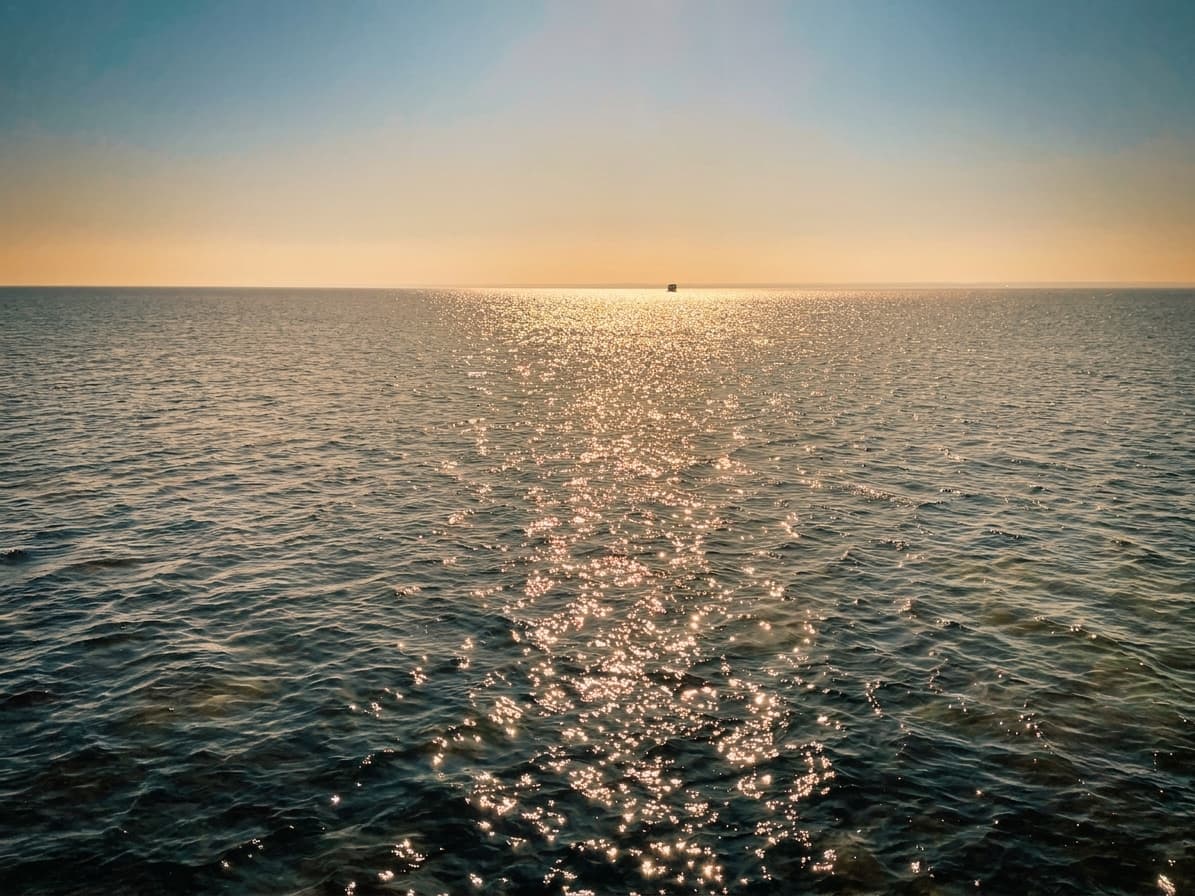
Kitesurfing in Jastarnia for beginners is probably the best way to learn this sport in Poland. The shallow, flat Puck Bay, the famous sandbar under the pier, and stable winds create a natural training ground where, after a fall, you simply stand on the sandy bottom. With a base in Jastarnia, you have the course, water, and wind within walking distance.
In short: In the shallows near Jastarnia, the water is shallow, usually up to about 1.5 m, flat and tideless, with a sandy sandbar where the water reaches waist-deep. A basic course usually lasts 12-16 hours spread over 3-4 days, an individual lesson costs approximately 200-280 PLN per hour, and an IKO1 package for 4 hours costs about 900-1060 PLN. The minimum age is usually 12-13 years, the season runs from May to September, and winds most often blow from the west and north. It's an easier spot to learn than the open Baltic Sea.
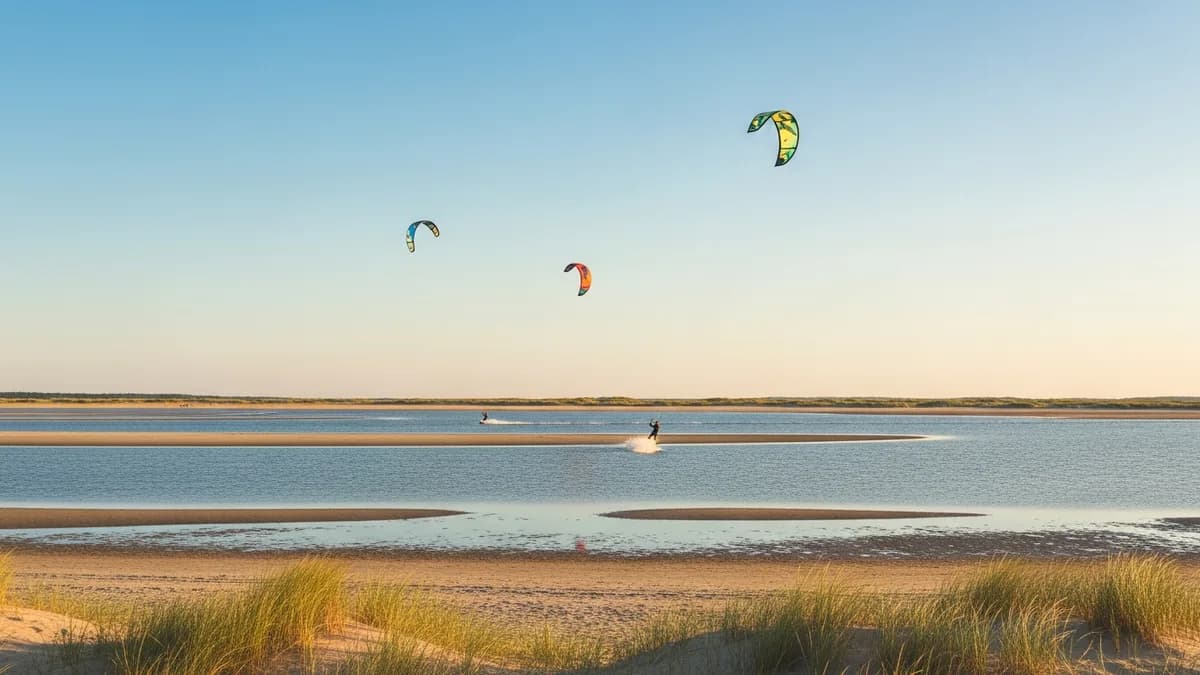
Why is Jastarnia the best place to learn kitesurfing in Poland?
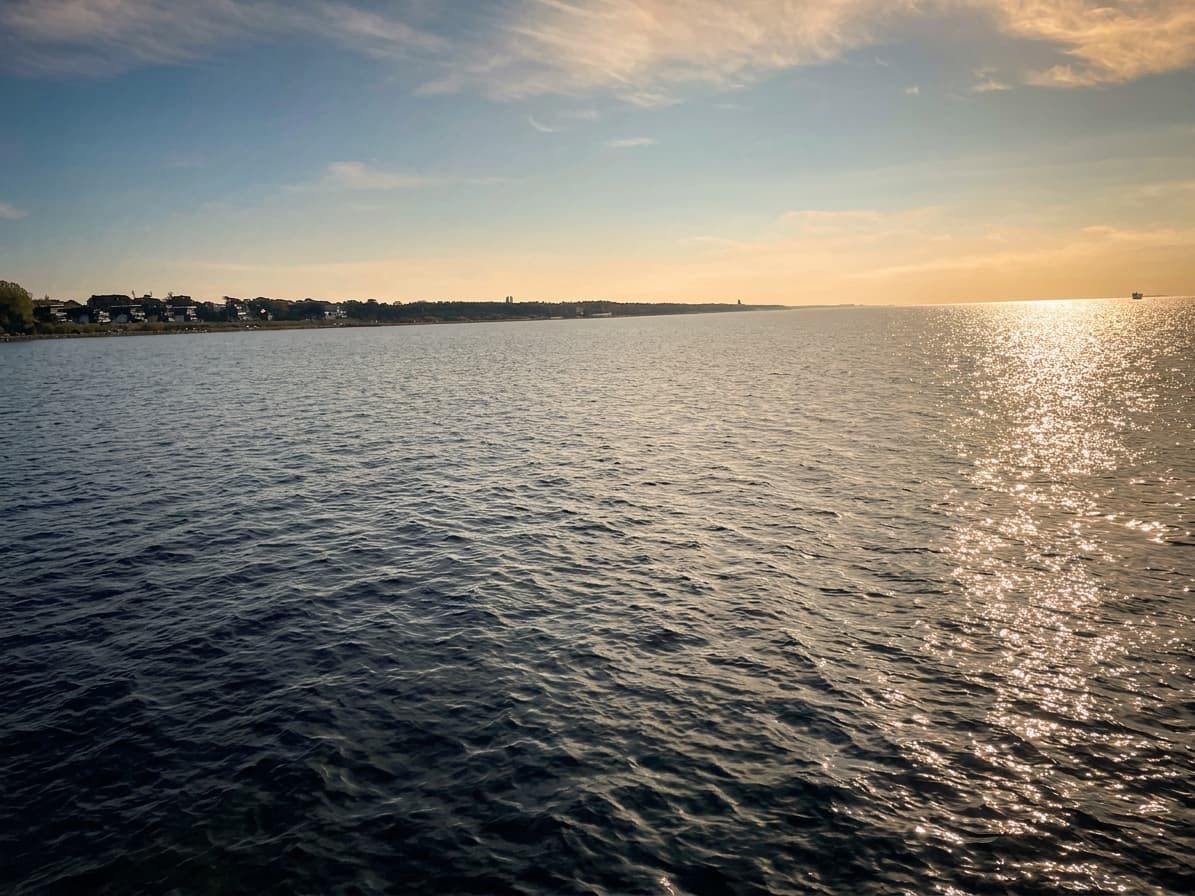
Three things contribute to this: shallow water, a flat surface, and stable wind. In the shallows near Jastarnia, the water rarely exceeds 1.5 meters, and near the shore, it is often 0.5-1 meter deep, so after a fall, you retrieve your board without stress, although the bay itself is deeper further out. The lack of waves makes it easier to master basic maneuvers, and winds from western and northern directions, blowing as side-onshore or onshore, carry you towards the shore, not into open water.
Additionally, there's a concentration of schools in one place and a short walk to the water. A broader picture of the body of water itself is provided in the guide Puck Bay, a calm body of water, and here we focus on learning kite step by step.
What is the sandbar in Jastarnia and why is it ideal for students?
The sandbar, a sandy shoal, is the heart of kitesurfing in Jastarnia. It's an extensive shallow area stretching several kilometers from the shore, in places hundreds of meters wide, with water reaching waist or knee-deep. The bottom is sandy, without rocks or reefs, so you can move around without footwear.
For a student, these are ideal conditions because the water is stable, tideless, and the wind is more even further from the shore. On the sandbar, you learn kite control and your first glides, standing on the bottom between attempts, which greatly speeds up learning and reduces stress.
Is kitesurfing difficult and how long does it take to learn?
Kitesurfing is not a sport you can master in an hour, but in the conditions of Puck Bay, learning progresses smoothly. A typical basic course lasts 12 to 16 hours, usually spread over 3-4 days, and some schools state that about 10 hours are enough for the first independent ride. First, you learn the kite on land and in the water, then starting with the board.
The biggest impact on pace is wind and regularity, so it's better to plan several consecutive days than one long session. Moderate fitness is useful, as most of the work is done by the harness and kite, not the arms. For teenagers and adult beginners, it's a sport that can realistically be mastered during one stay.
How much does a kitesurfing course in Jastarnia cost?
Prices depend on the school and the form of classes. An individual lesson usually costs 200-280 PLN per hour. Group lessons for 2-3 people are often around 300 PLN per hour for the entire group, which is cheaper per person. A 4-hour IKO 1 standard package is approximately 900-1060 PLN, and an 8-hour IKO 1 and 2 package is about 1660-2000 PLN. Price lists vary between schools and seasons, so check the current price list before booking.
When planning your budget, it's worth considering the entire course, not just a single hour, as independent riding usually requires several hours. How to fit these expenses into a broader stay plan is advised by Hel Peninsula, budget vs premium.
Is kitesurfing more difficult than windsurfing?
Initially, kitesurfing can be more difficult because you first need to master the kite in the air, and only then the board. In windsurfing, you stand on the board from the first lesson, so the first results come faster. Kite, however, after mastering the basics, offers greater freedom in lighter winds and is easier to pack for travel.
If you're wondering where to start, a good strategy is to try both sports on the same bay. A comparison and windsurfing conditions are described in the guide Windsurfing in Jastarnia, an alternative to kite, and both use the same shallow sandbar.
When to come - season, winds, and minimum age?
The kitesurfing season on Puck Bay lasts from May to September, with the most warm days with good wind falling during the holidays. Winds from western and northern directions dominate, and during peak season, conditions for riding appear almost daily thanks to thermal breezes. The minimum age for a course is usually 12-13 years, so it's a good sport for families with teenagers.
If you prefer a quieter time, check When Hel is crowded, because outside of July and August, it's less busy on the water and in schools. Booking a course in advance allows you to match dates with a good forecast.
How to combine the course with a stay in Jastarnia?
It's best to spread the kite course over several days and treat it as the axis of your stay, around which you arrange the rest of your plan. Water in the morning, beach in the afternoons, the pier, or a train trip along the peninsula, and logistics without a car are organized by A week on Hel without a car. Several consecutive days give the best chance of catching the wind.
For this, a comfortable base close to the water is needed. Apartament Zdrojowy 323 in Hotel Dom Zdrojowy in Jastarnia is a few minutes from the pier and the sandbar, so after a session on the water, you quickly return to rest and dry your equipment before the next day of the course.
Sources
Frequently asked questions
How much does it cost to learn kitesurfing in Jastarnia?
An individual lesson usually costs 200-280 zł per hour. A 4-hour IKO 1 package is approximately 900-1060 zł, and an 8-hour IKO 1 and 2 package is about 1660-2000 zł. Group lessons are cheaper per person, and it's worth checking current price lists. To ride independently, you usually need 12-16 hours, so it's worth considering the full course.
Is kitesurfing difficult for a beginner?
It's challenging at the start because you first master the kite and only then the board, but the conditions of Puck Bay make learning much easier. Shallow water, a flat sandbar, and stable wind mean that after a fall, you stand on the bottom and try again. Most students get their first glides within a dozen hours of the course.
How long does it take to learn kitesurfing from scratch?
A typical basic course lasts 12 to 16 hours spread over 3-4 days, and some schools state that about 10 hours are enough for the first independent ride. The pace mainly depends on the wind and regularity, so it's better to plan several consecutive days rather than one long session.
What is the minimum age to start a kitesurfing course?
The minimum age is usually 12-13 years, depending on the school and the child's physical condition. This makes kitesurfing a good idea for families with teenagers looking for activities during their stay on Puck Bay.