Practical guide
Seaside Workation: Jastarnia Step-by-Step (2026)
A step-by-step guide to a seaside workation in Jastarnia: train travel from Tricity, best times, costs, and daily rhythm, based in Apartment Zdrojowy 323.
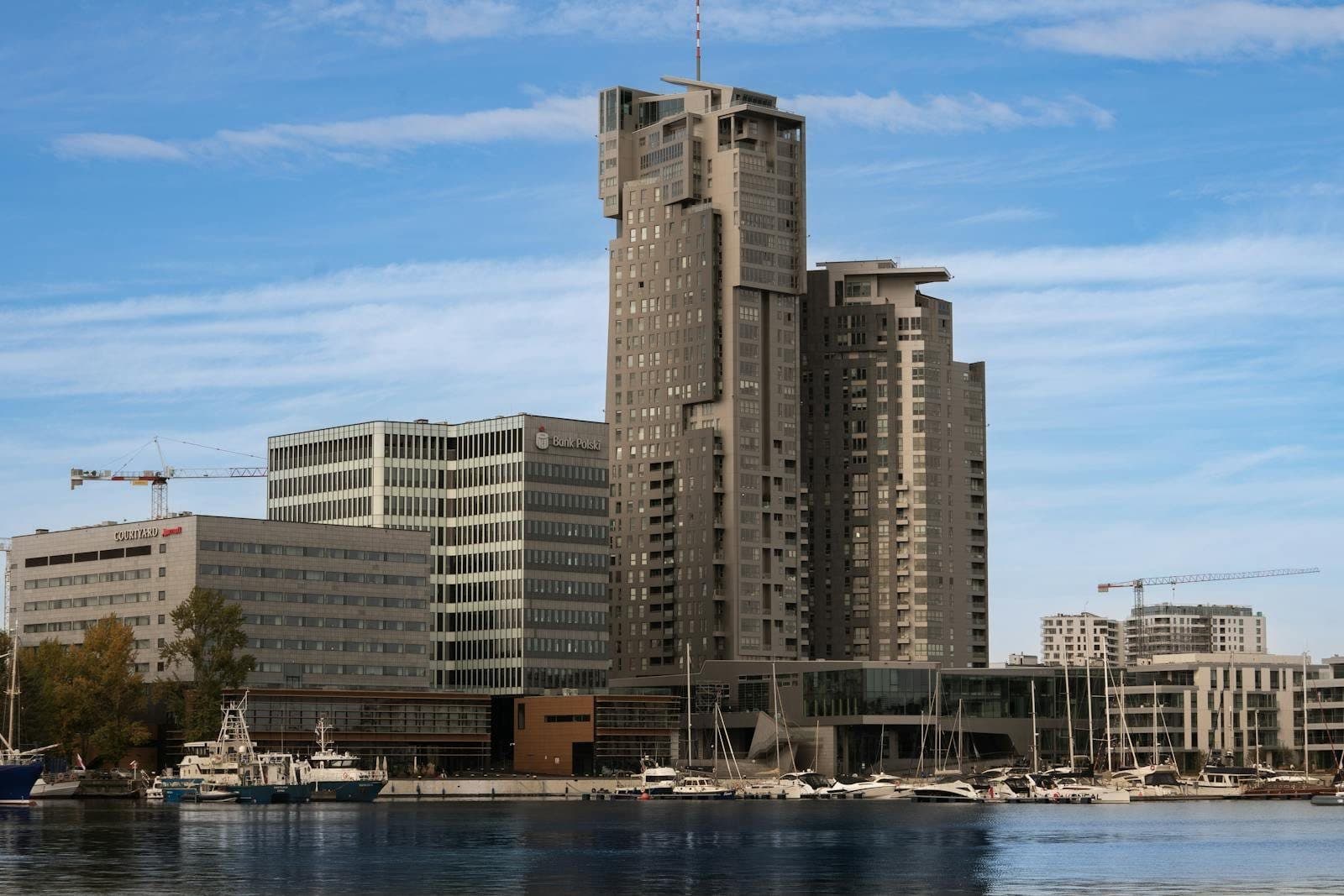
A seaside workation combines remote work with a vacation in one location, and Jastarnia on the Hel Peninsula is particularly convenient for this: it lies in the middle of the spit, has beaches on both sides, allows train access from Tricity without a car, and offers tranquility outside the main season. In this guide, I break down a seaside workation into simple steps: where, when, for how much, and how to set your daily rhythm, based in Apartament Zdrojowy 323.
In short: Jastarnia is suitable for a seaside workation due to good train access from Gdańsk and Gdynia, quietness outside the season, and a base with WiFi throughout the hotel, air conditioning, and a Baltic Sea view. The best times are May, September, and October, when it is cheaper and quieter than in summer. The day is easily structured around work blocks and beach walks, with an evening pool and SPA at the hotel. The apartment is a 36 m studio without a kitchenette, so meals rely on breakfast and the on-site restaurant.
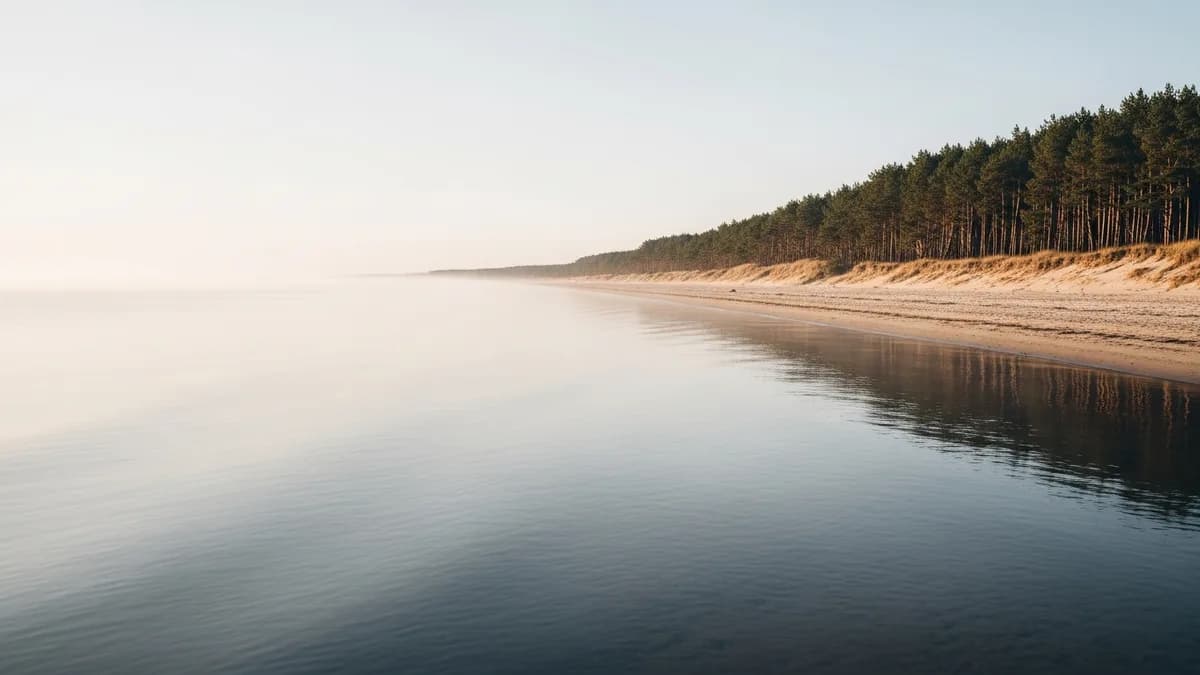
Where to go for a seaside workation in Poland?
The Hel Peninsula, particularly Jastarnia, is well-suited for a seaside workation because it combines proximity to the beach with realistic car-free access and year-round hotel facilities. Unlike summer resorts focused solely on the season, Jastarnia has infrastructure that operates in spring, autumn, and winter, when quiet work is easiest.
Its central location also facilitates short trips in both directions along the spit after working hours. The guide Where to stay on Hel details which town to choose and how they differ.
Is Jastarnia suitable for remote work by the sea?
Yes, provided you have a good base. Stable internet, a workspace, and peace are key, and the hotel offers free WiFi throughout the property and air conditioning in the apartment. A studio with a Baltic Sea view provides a quiet, focused background, and after work, the beach and a walk are just minutes away.
It is worth noting that the apartment is a 36-meter studio without a kitchenette or washing machine, so a workation here is planned with breakfasts and meals at the hotel restaurant in mind, not cooking. The apartment itself is described on the Apartament Zdrojowy 323 page.
When is the best time for a seaside workation?
The best times for a workation are the off-peak months: May, September, and October. It is quieter, cheaper, and easier to focus than in crowded July and August, and the weather still allows for walks and cycling. In winter, you get maximum peace and the lowest prices, at the cost of cold and wind.
Choosing the month based on crowd levels and atmosphere is made easier by looking at the peninsula's seasonality, which the guide Hel in November elaborates on.
How to get there and is a car necessary?
A car is not necessary. You can reach Jastarnia by train from Tricity, using line 213 across the entire peninsula, making it a convenient journey from Gdynia or Gdańsk for a longer stay. However, if you arrive by car, the hotel has a private, monitored underground parking lot, where electric vehicle charging is also available.
Not having a car on-site does not hinder excursions, as the train connects all towns on the spit. The guide A week on Hel without a car advises on how to organize a car-free stay.
How much does a seaside workation in Jastarnia cost?
The cost mainly depends on the timing. Off-season, accommodation rates are significantly lower than in peak summer, often half the holiday prices, making a longer, multi-week stay feasible. To accommodation, you add meals (breakfasts or on-site restaurant), optional parking, and train tickets if you plan excursions.
As prices change from season to season, it is best to confirm current rates and availability directly with the hotel before booking a longer stay.
How to structure your day during a workation?
A simple division works well: a work block in the morning with daylight, a break for a walk along the shore or a quick lunch at noon, a second block of tasks in the afternoon, and in the evening, the pool, SPA, and relaxation. The beach and pier, just minutes from the apartment, facilitate short resets between meetings.
This rhythm allows for real work while also enjoying the sea, without feeling that the vacation has turned into just work or vice versa.
Is a seaside workation suitable with children?
Yes, especially on the calm Puck Bay side, where the water is shallow and gentle. A parent working remotely can combine task blocks with the beach, and after hours, with the hotel pool. Outside the season, the advantage of fewer crowds makes organizing the day with a child easier.
Apartament Zdrojowy 323 in Hotel Dom Zdrojowy in Jastarnia provides a calm, year-round base for such a stay, with sea views, a few minutes from the beach and port.
Sources
Frequently asked questions
Where is the best place for a seaside workation in Poland?
The Hel Peninsula, particularly Jastarnia, is a good choice because it combines proximity to the beach, train access without a car, and year-round hotel facilities. Unlike typical summer resorts, Jastarnia also operates in spring, autumn, and winter, when quiet work is easiest and prices are lower than in peak season.
Is it truly possible to work remotely in Jastarnia?
Yes, provided you have a good base. The hotel offers free WiFi throughout the property and air conditioning in the apartment, and a studio with a Baltic Sea view provides a quiet background for work. The apartment is 36 meters without a kitchenette or washing machine, so meals rely on breakfasts and the on-site restaurant, not cooking.
When is the best time for a seaside workation?
The best times are May, September, and October, when it is quieter, cheaper, and easier to focus than in July and August, and the weather still allows for walks. In winter, you get maximum peace and the lowest prices, at the cost of cold and wind. Summer is more suitable for combining work with a family vacation.
Is a car necessary for a workation in Jastarnia?
No. You can reach Jastarnia by train from Tricity via line 213, which connects all towns on the peninsula, so excursions around the area are possible without a car. If you arrive by car, the hotel has a private, monitored underground parking lot with electric vehicle charging.