Practical guide
Seasonal packing lists for Hel: April-January
4 packing lists for the Hel Peninsula adapted to the microclimate: April (wind and layers), July (moderate summer), October (autumn), January (frost).
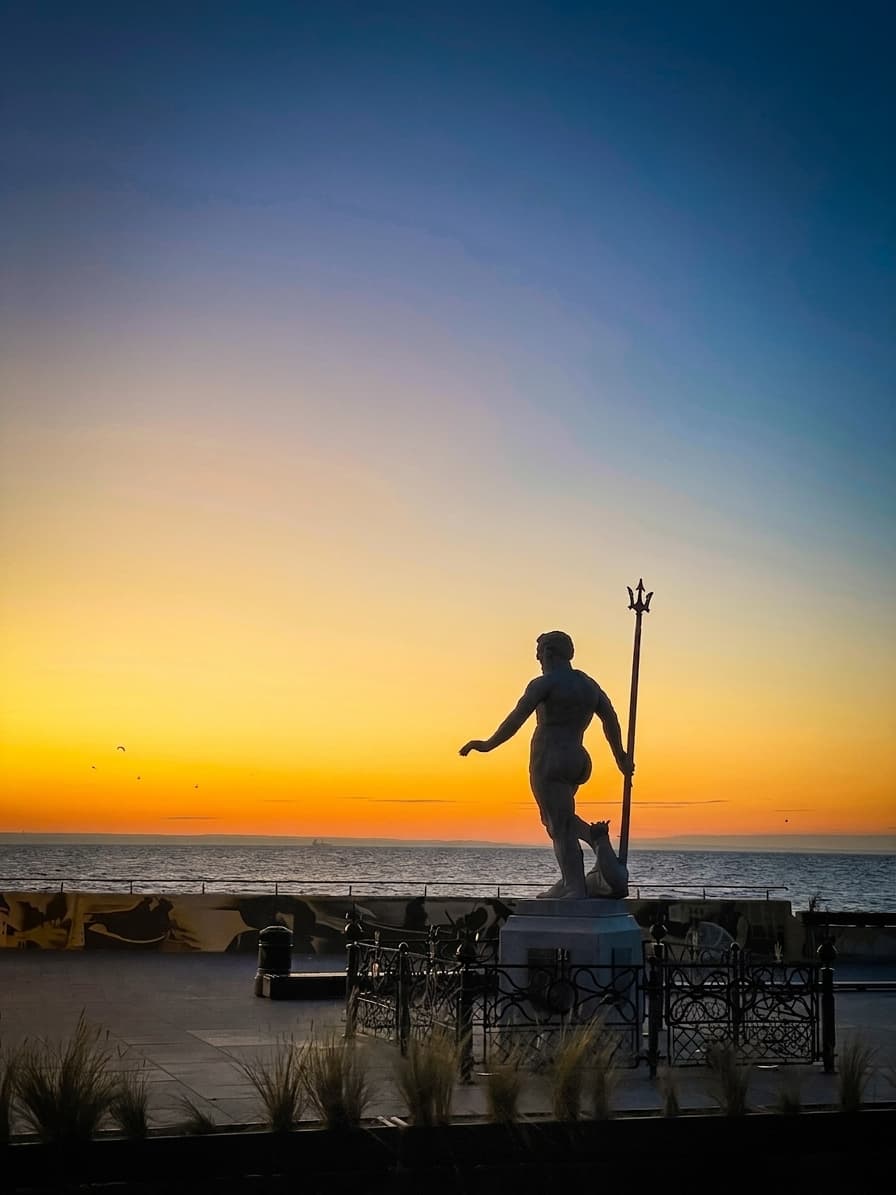
What to pack for the Baltic Sea depends more on the season than on the length of stay, because the weather on the Hel Peninsula can change during the day. Even in summer, a windproof jacket and a warm layer for the evening will be useful, and out of season, a hat and waterproof shoes. Below you will find ready-made packing lists adapted to the season and the length of your trip, with Jastarnia as your base.
In short: pack in layers for the sea. In summer (July and August), light clothing, a swimsuit, and sunscreen are enough, but add a sweatshirt and a windbreaker, because the water is usually 18-19 degrees, and evenings can be cool. In May, September, and October, add warmer layers and a waterproof jacket. In winter, protection against frost and wind is key. Regardless of the season, take comfortable walking shoes, a power bank, and something rainproof.
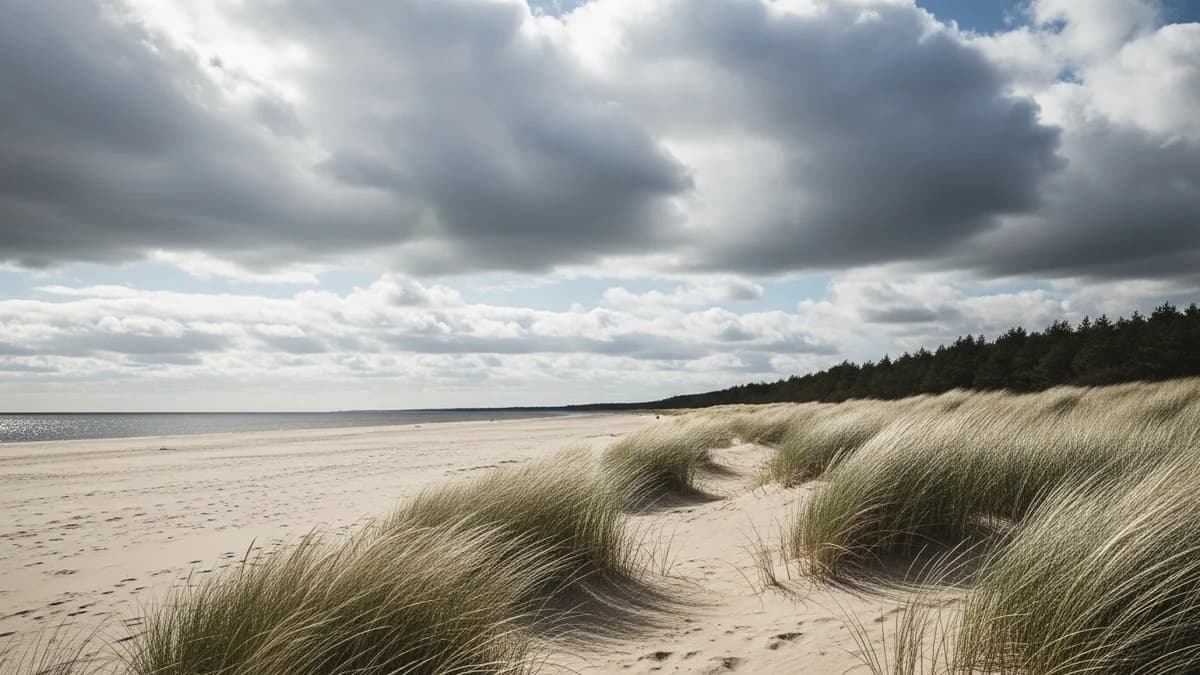
What to pack for 7 days by the sea?
For a week by the sea, luggage based on layers is sufficient: 4-5 t-shirts, 2 sweatshirts or a sweater, one windproof and waterproof jacket, long and short trousers, underwear and socks for each day plus extra, a swimsuit, comfortable walking shoes and flip-flops. Plus a toiletry bag, sunscreen, a small first aid kit, chargers and a power bank.
A week also offers the comfort of doing laundry if needed, so you don't have to double everything. The guide Where to stay in Hel suggests where to set up base for such a stay.
What to take to the sea for 3 days or a weekend?
For a short trip, pack minimally, but don't give up on layers. 2-3 t-shirts, one sweatshirt, a windbreaker, one pair of longer trousers, underwear for each day, a swimsuit in summer, and comfortable shoes will suffice. Everything will fit in a backpack or a small suitcase, which makes traveling by train without a car easier.
For a weekend, it's worth having a plan for bad weather in advance so that rain doesn't spoil the trip. Ideas for such a scenario are gathered in the guide Attractions for a rainy day.
What to pack for 14 days by the sea?
For two weeks, you don't pack twice as much as for a week; you just add extra underwear and one more layer in case of a colder spell of weather. A second pair of shoes, more socks, an additional sweatshirt, and a set for changeable weather will be useful: a waterproof jacket, a thin hat, and a light scarf even in summer.
For a longer stay, it's worth planning your days in advance, combining the beach with trips around the peninsula. How to travel without a car is described in the guide A week on Hel without a car.
What to take to the Baltic Sea in summer, in July and August?
In summer in Hel, the average daytime temperature is around 21 degrees, and the water is usually 18-19 degrees, sometimes up to 21. This means that a swimsuit, flip-flops, sunglasses, and sunscreen are mandatory, but you still add a sweatshirt and a windbreaker for the evening. The Baltic summer can be changeable, so a light rainproof layer saves plans.
You also need to remember about upwelling, which is the sudden pushing of cold water from the depths, which can lower the sea temperature by several, or even a dozen degrees in one day. Which side of the spit has warmer water is explained in the guide Safe swimming with children.
What to pack out of season, in May, September, and October?
In transitional months, the day can be warm, but mornings and evenings are cool. In May, the average maximum is about 14 degrees, in September about 18, and the water is significantly colder than in mid-summer. Therefore, you pack warmer sweatshirts, long trousers, a waterproof jacket, and shoes that can withstand moisture.
This is a great time for empty beaches and walks, as long as you have clothes for changeable weather. What Hel looks like after the season is shown in the guide Hel in November.
What to take to the sea in winter, in January?
In winter by the Baltic Sea, protection against frost and wind is important. In January, the average maximum is about 2 degrees, and it is the windiest month on the coast, with an average wind speed of 27 kilometers per hour. Pack a warm, windproof jacket, hat, scarf, gloves, thermal underwear, and waterproof, warm shoes.
Despite the cold, a winter walk along the shore has its charm, and afterwards, you'll appreciate a warm base with a pool. What is open on the peninsula then is described in the guide Hel out of season.
How does packing for the Baltic Sea differ from the warm south?
The biggest difference is variability and wind. For the Mediterranean Sea, you pack mainly for heat, but for the Baltic Sea, you always pack in layers, because in one day it can be sunny, windy, and rainy. Therefore, a windproof jacket and a warm sweatshirt go with you even in the middle of summer.
The second difference is the water: the Baltic is colder and more capricious, so treat a swimsuit as one of many items, not the basis of your entire luggage.
| Season | Day / water temp. (approx.) | Key in luggage |
|---|---|---|
| July - August | approx. 21 deg. / 18-19 deg. | swimsuit, filter + sweatshirt and windbreaker |
| May / September | 14-18 deg. / 10-17 deg. | warmer layers, waterproof jacket |
| October | cool, windy | hat, scarf, warm shoes |
| January | approx. 2 deg. / approx. 3 deg. | windproof jacket, thermal underwear, gloves |
What to take regardless of the season
Several things are useful all year round: comfortable shoes for long walks on the sand and dunes, a windproof jacket, a small first aid kit and cosmetics, chargers, and a power bank for a day out of the apartment. In summer, sunscreen and sunglasses are added, in winter a hat and gloves.
A calm base, to which you return after a whole day in the wind, is provided by Apartament Zdrojowy 323 in Hotel Dom Zdrojowy in Jastarnia, a few minutes from the beach, pier, and port.
Sources
Frequently asked questions
What to pack for 7 days by the sea?
For a week by the Baltic Sea, pack in layers: 4-5 t-shirts, 2 sweatshirts, a windproof and waterproof jacket, long and short trousers, underwear with extra, a swimsuit, comfortable walking shoes and flip-flops. Add a toiletry bag, sunscreen in summer, a small first aid kit, chargers and a power bank. A week allows for laundry, so you don't need to double your entire wardrobe.
Do you need to pack warm clothes for the Baltic Sea even in summer?
Yes. In summer in Hel, the average daytime temperature is around 21 degrees, but evenings can be cool, and the weather changes quickly. Therefore, even in July and August, it's worth having a sweatshirt and a windproof jacket. Additionally, there's upwelling, which can suddenly lower the water temperature by several or even a dozen degrees.
What to take to the sea in winter?
In winter by the Baltic Sea, protection against frost and wind is most important. In January, the average maximum is about 2 degrees, and it's the windiest month on the coast. Pack a warm, windproof jacket, hat, scarf, gloves, thermal underwear, and waterproof, warm shoes. A warm base with a pool for the evening will also be useful.
How does packing for the Baltic Sea differ from packing for the warm south?
For warm seas, you pack mainly for heat, but for the Baltic Sea, you always pack in layers and for changeable weather. In one day it can be sunny, windy, and rainy, so a windproof jacket and a warm sweatshirt go with you even in the middle of summer. The water is colder and more capricious, so a swimsuit is just one item of luggage.