Nature & climate
Nature & microclimate of the Hel Peninsula
Nature and microclimate of the Hel Peninsula: Coastal Landscape Park, mild winters, long autumns, birds, seals, walking trails from Jastarnia.
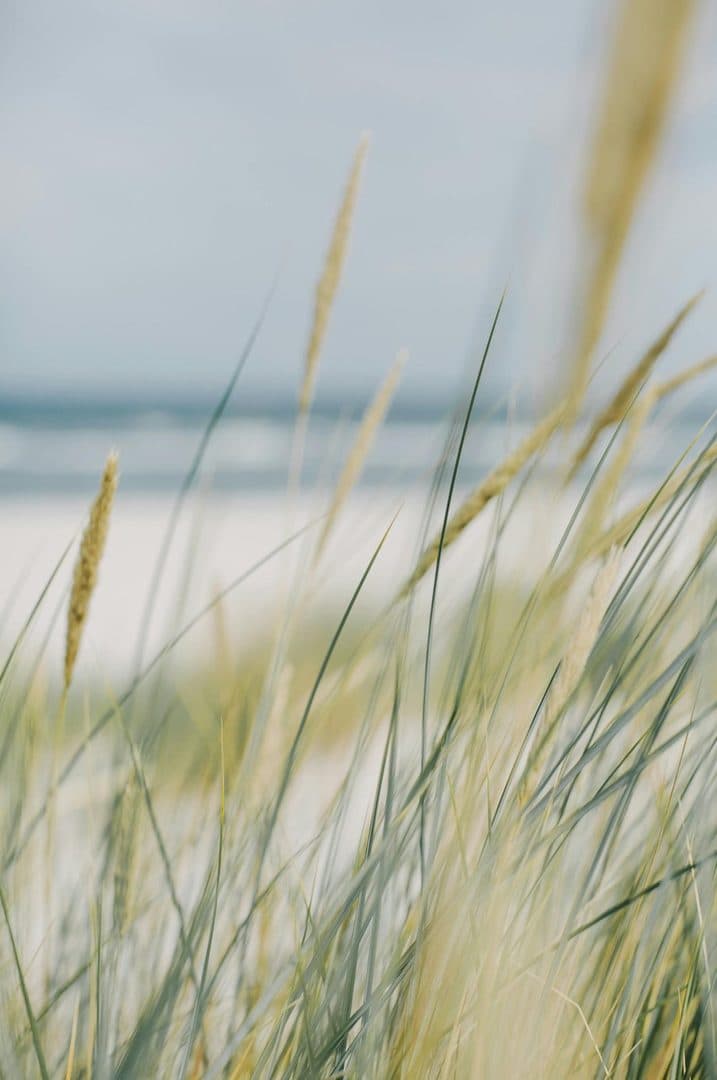
The Hel Peninsula is more than parasols and crowded summer beaches. It is also one of the most ecologically distinctive coastal areas in Poland - protected by the Coastal Landscape Park, with a unique microclimate and a rich variety of ecosystems. For anyone considering a longer stay, a workation, or a quiet off-season getaway, this combination matters.
This guide explains what makes the Hel Peninsula climate different, what you can actually see and experience in terms of nature, and why Jastarnia in the middle of the spit is the most practical base.
Coastal Landscape Park - context and protection
The Hel Peninsula sits entirely within the Coastal Landscape Park (Nadmorski Park Krajobrazowy), established in 1978. The protected area covers the dunes, forests and beach margins along the spit - one of the highest concentrations of protected coastline on the Polish Baltic coast. Official park materials describe the unique microclimate and biodiversity as the region's greatest assets.
In practice this means controlled access to certain dune areas, marked educational trails, viewing points and information boards through the most interesting stretches of coastline. Infrastructure is designed to help rather than replace nature. Park boundaries cover both the Baltic-facing dunes and the bay-side wetlands, two different ecosystems within a few hundred metres.
Microclimate in numbers and feel
The peninsula is roughly 35 km long and at points only 200-500 m wide, sandwiched between Puck Bay (south) and the open Baltic Sea (north). Both sides act as thermal buffers. Winters are milder than inland - daytime temperatures often hover around 0 to +5 degrees Celsius vs frequent -5 to -10 inland. Autumns are longer: pleasant 12-16 degree days extend well into October and even early November.
The vegetative period reaches about 200-210 days - longer than most inland regions. This shows in the flora: late-blooming wildflowers in October, evergreen pines that don't shed in winter, and the strength of dune grass through the cold months. The microclimate is felt as a smoother annual rhythm rather than dramatic seasonal swings.
For travellers this translates into practical advantages: you can walk the dunes in early November in a light jacket, you can cycle the peninsula-long trail in March without snow, and summer evenings stay pleasant even when inland heat becomes unpleasant (the peninsula stays 2-5 degrees cooler than inland Poland in heatwaves).
What you can see - birds, seals and dunes
The Hel Peninsula sits on a major Baltic bird migration corridor. The Bird Ringing Station in Kuznica, according to its official records, has operated for over 65 years and is recognized as one of Europe's key migration monitoring sites. Spring and autumn passages bring tens of thousands of birds, with "rarity weekends" attracting serious birdwatchers from across Europe. Even casual visitors can spot common Baltic species on short walks from Jastarnia.
The Hel Seal Centre (Stacja Morska UG) at the tip of the peninsula operates year-round, 10:00-16:00 in winter, with feeding-and-lecture sessions at 11:00 and 14:00. The grey seals here are part of a reintroduction programme into Polish Baltic waters. Tickets 20/15 PLN (regular/concession). Family-friendly and educational at a level that engages both children and adults.
Beyond birds and seals: the dune ecosystem itself is worth exploring. The Park Wydmowy (Dune Park) in Hel has free year-round access with wooden walkways, information boards and accessible viewing points. Pine forests cover the inland side of the dunes - cool in summer, sheltered from wind, with mushroom foraging in autumn.
Walking trails and infrastructure from Jastarnia
Jastarnia in the middle of the spit is the most practical base for nature exploration. From here you can walk to both the Baltic and Puck Bay in 5-15 minutes on foot. Forest trails toward Jurata extend 3-4 km eastward, the western direction toward Kuznica is another 4-5 km of mixed dune-forest path. The peninsula-long cycle path (45 km Wladyslawowo to Hel) passes through Jastarnia centre.
Educational trails between Jurata and Hel include the famous "Tu zaczyna sie Polska" ("Poland starts here") path on the Hel tip - ending at the cypel (cape) viewpoint with the bay and Baltic meeting. From Jastarnia this is a 25-30 minute train + 30 minute walk - a half-day outing without any car.
For a complete car-free week structure see A week on the Hel Peninsula without a car, and for transport options compare ferry, train, car - what to choose for Hel. The peninsula's birdlife is covered separately in birds of the Hel Peninsula, and the return of seals to our coast in wild seals on Hel.
Microclimate and longer stays - workation context
The mild climate makes the peninsula attractive for remote workers and longer holidays. The combination of stable temperatures, long daylight (May-September), accessible outdoor activity year-round and good rail connections to Tricity supports the "morning laptop, afternoon outdoor" rhythm a rhythm gaining popularity among Polish digital workers.
For families with younger children, the dune ecosystem provides safe, varied terrain for exploration. Educational trails are stroller-friendly in many sections. Off-season visits (October-March) offer the contrast of stormy beaches and quiet forest walks - an entirely different experience from July crowds.
The peninsula microclimate described above also has a photographic dimension - long bands of light over Puck Bay, mists over the open Baltic and pine forests work particularly well on a lens in the morning and evening. Specific frames and 10 golden hour locations are gathered in the Hel Peninsula photography guide.
Apartament Zdrojowy 323 in the Hotel Dom Zdrojowy sits within walking distance of both coastlines, with air conditioning (cooling only), fridge for snacks, balcony with Baltic view. Direct booking via reservation saves 10-15% vs OTA commissions. Current seasonal rates in the pricing section.
The Hel Peninsula isn't just about beaches. The combination of microclimate, protected ecosystem and accessible infrastructure makes it a year-round destination - if you know what to look for.
Frequently asked questions
Is the Hel Peninsula microclimate noticeable to a regular tourist?
Yes. Surrounded by water on both sides, the peninsula has milder winters and longer, warmer autumns than inland Poland. In practice this means a longer season for beach walks, running and cycling without extreme heat or frost. The difference is clearest in September, October and early November.
When is the climate difference vs the rest of Poland most pronounced?
September and October show the biggest gap - while inland Poland already feels autumnal, the Hel Peninsula often delivers pleasant, sunny days into mid-November. In winter the microclimate works the other way: inland frosts can be sharper than at the coast, where sea moderation keeps temperatures gentler.
Is the Hel Peninsula a good destination for quiet walks and nature?
Yes. The entire peninsula lies within the Coastal Landscape Park (established 1978), with pine forests, dunes, beaches and educational trails. A few kilometres of walking per day shows the variety of landscapes, and trails are well-marked and uncrowded outside July-August.
Can you experience Hel's nature without a car?
Yes. From Jastarnia you can walk to both Puck Bay and the open Baltic, with forest paths and beaches starting 10-15 minutes on foot from the train station. The Polregio rail line 213 connects Hel, Jurata, Kuznica and Wladyslawowo, eliminating the need for a car during your stay.
Does the microclimate support remote work and longer stays?
Yes. Milder temperatures and an extended outdoor season make it easier to combine desk work with daily outdoor activity. For city-based remote workers, 2-3 week stays in Jastarnia work as a regeneration: laptop in the morning, forest, beach or pier in the afternoon. Apartament Zdrojowy 323 in the four-star Hotel Dom Zdrojowy is a practical base.