Nature & climate
Hel Peninsula photography. 10 spots for the golden hour
Ten proven Hel Peninsula spots for golden hour shots. Hel, Jastarnia, Jurata and Puck Bay through the lens.
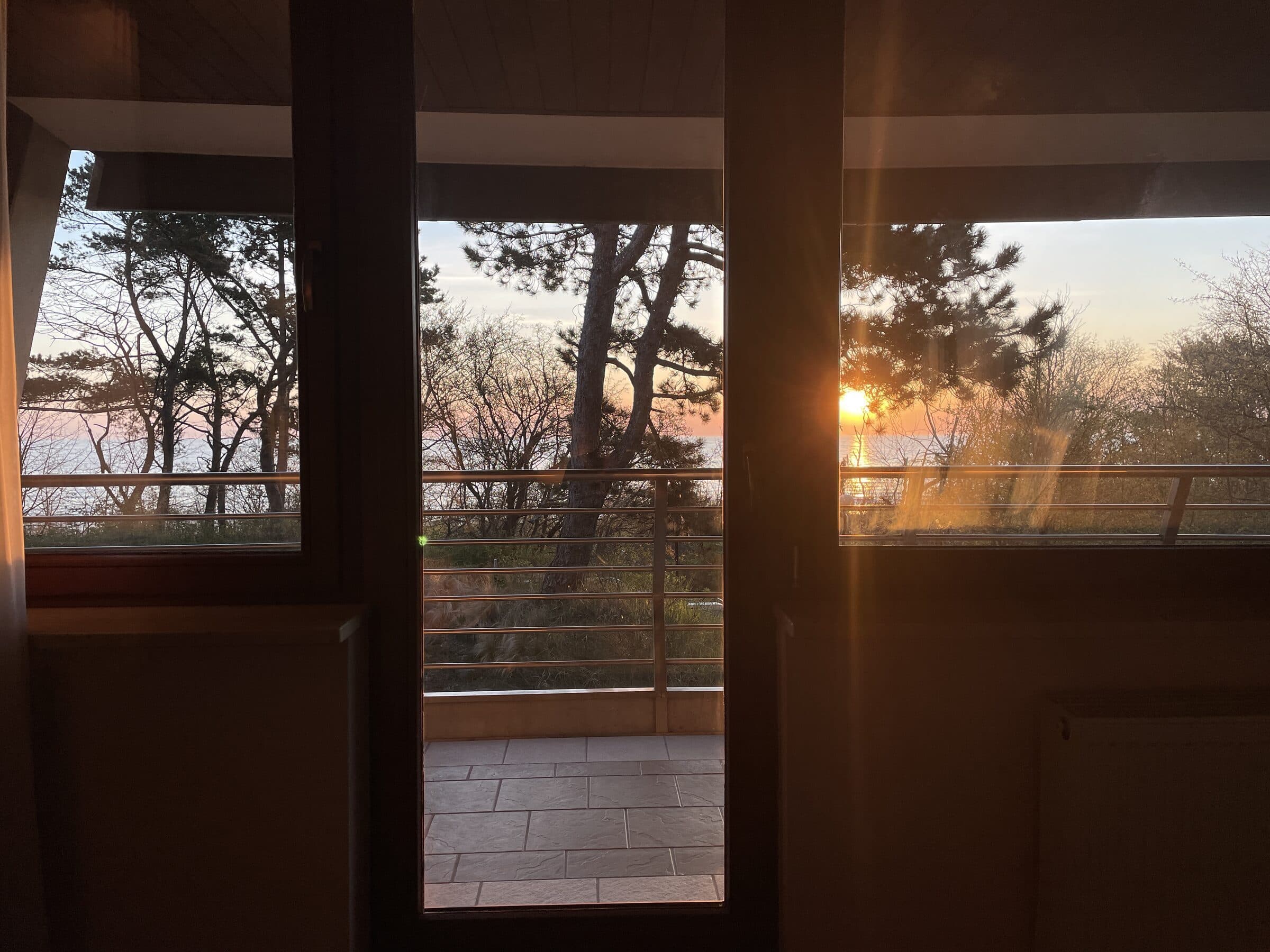
Why the Hel Peninsula is ideal for photography
The Hel Peninsula is a long, narrow strip of land that in many places is only a few hundred metres wide between Puck Bay and the open Baltic. That geometry gives photographers something many other coastlines lack. The freedom to choose which side of the spit to shoot the sun, water and horizon from, without driving for kilometres. With good planning the morning sunrise can be caught on the Puck Bay side and the evening sunset on the open-sea side, often simply by walking across the forest to the other shore.
Travel sites that describe Baltic sunsets as one of the strongest visual moments of the day regularly list the Hel Peninsula as the ideal place to watch sunsets thanks to the variety of viewpoints: beaches, dunes, lighthouses, ports and piers. Add to that the Puck Bay microclimate, which can deliver spectacular clouds and mist over the water, especially outside peak season.
Jastarnia, sitting roughly in the middle of the spit, has one more advantage. From the town centre to the Puck Bay pier, the port and the open-sea beach it is a few minutes' walk. That is an ideal setup for someone who wants to slot into the golden hour between a family walk and dinner.
Nature and microclimate of the Hel Peninsula helps explain why light and weather work so well with photography here.
Sunsets over the open Baltic: Hel and northern beaches
If you are thinking of a classic sunset over the open sea, Hel and the northern beaches of the spit are the first obvious direction. Articles devoted to sunsets explicitly list the Hel cape as one of the best places in Poland for evening frames, with a panoramic view of the Baltic and a wide beach. The path to the cape runs through pine forest, passing dunes, viewpoints and fragments of fortifications that are themselves rewarding subjects.
The lighthouse in Hel is the second classic. From its top on a clear day you can see the open sea and the whole cape, and guides stress that it is one of the most spectacular places for watching sunset in the region. From a photography point of view Consider having two lenses. A wide angle for panoramas and a telephoto for picking out details on the horizon, for example ships waiting on the roadstead.
The beaches in Hel on the open-sea side work beautifully for longer 'Instagram' frames with a shoreline, waves and silhouettes of walkers. The evening light is soft and with a light mist over the water you can capture very painterly frames. It is also a good place to practise long-exposure photography. After sunset you can extend exposures, smooth out the water and catch sky reflections in rolling waves.
A good day can close with a walk on the cape and a return through the forest, and if you want to repeat in a different setting consider looking at Bunkers and fortifications on the Hel Peninsula, which is a natural complement to such an evening.
Golden hours over Puck Bay: pier, port, Jurata
Puck Bay offers a completely different character of evening frame. A calmer water surface, often more densely scattered boats and a slightly hazy horizon on which Puck, Rewa or Tricity outline themselves. The most obvious place is the pier in Jastarnia, a 120-metre boardwalk built in 2006 at the extension of Stelmaszczyka Street. Town descriptions stress that this is the walking heart of Jastarnia and an excellent viewpoint for sunsets over Puck Bay.
From a photographic perspective the pier lets you walk further out over water, set the camera over the line of yachts and catch symmetric frames with the deck boards leading towards the setting sun. Both wide shots and details work well here, for example close-ups of cleats, mooring lines and lamp reflections in the water.
The port in Jastarnia is another spot peninsula-sunset portals list as good for evening photographs. In the description of best sunset points, the Jastarnia port appears as a place where you can photograph boats returning from cutters in the glow of the setting sun, with cutters and people on the quay in the foreground. The telephoto matters here as much as the wide angle.
In Jurata the key locations are the dunes over Puck Bay. Articles about sunsets on the peninsula stress directly that this is an ideal place for an evening walk with a camera. From the dune over Puck Bay, guests can watch the sun's disc setting over the water, with frames easily capturing waves, the outline of the Jurata pier, and sail silhouettes. It is one of the better places for a classic 'postcard' sunset over Puck Bay.
Forests, dunes and new formations: less obvious locations
Not everything has to happen exactly on the beach. The 'Helskie Wydmy' education trail at the end of the peninsula leads through forest and dunes, offering several places where evening light falls between the trees at interesting angles. The new cape, formed by shoreline changes, quickly became a favourite walking and photography spot, combining a view of the Baltic and Puck Bay with a wild, untamed landscape.
Local materials suggest that to reach the new cape you should head towards the 'Helskie Wydmy' trail from Kuracyjna Street or from the port side. For a photographer this means an opportunity to combine several frame types. Classic sunsets over the sea, silhouettes of people on the sand and paths in a pine forest with light rays cutting between the trunks.
A less obvious but very photogenic motif are the 'swings over water' in Jastarnia, which appear in video materials and guides as a point for an Instagram session at sunset. Suspended just above the Puck Bay surface, they give a very simple frame with a strong central point. The silhouette of a person on the swing, the setting sun and the reflection in the water.
Between Jastarnia and Kuznica, at the widest part of the spit, where the Jastarnia Resistance Point lies, you will also find beautiful forest roads where the evening light arranges itself in long stripes. It is a good background for portraits and more reportage-style frames, which can be combined with a visit to the fortification heritage site described in the guide Bunkers and fortifications on the Hel Peninsula.
How to plan a photography day with a base in Jastarnia
From Jastarnia you can plan a day that uses the golden hour twice without turning the holiday into a marathon. The morning can start with a short walk to the pier over Puck Bay. There you will catch the first light on the water, mist rising over Puck Bay and individual surfers or fishermen getting ready to go out. Then a quiet breakfast and a day in 'family mode': beach, walks, sport, sightseeing.
The afternoon can be set aside for a train ride to Hel or Jurata, along the lines of the guides A week on Hel without a car and One-day family triangle. In Hel you photograph the cape and the lighthouse, in Jurata the dunes over the bay. In the evening you return to Jastarnia or stay for the sunset at the location that best matches the weather.
Rotate over the following days. One evening Jastarnia and Puck Bay, the next Hel and the open sea, the next Jurata. After a week you have a broad portfolio of shots, not ten frames of the same beach. The key is the closeness of the accommodation to water. From Apartament Zdrojowy 323 in Hotel Dom Zdrojowy in Jastarnia, the beach, forest and pier are a few minutes away, so you can react to light spontaneously rather than watching the sunset through a restaurant window.
Practical tips for photographers on the peninsula
Even the best locations will not help if equipment is not prepared for seaside conditions. Wind, salt and sand are constant companions of a peninsula photographer. It is worth having a simple microfibre cloth for regular lens wiping and a protective filter to take the small sand hits. A tripod helps with longer exposures, but on windy beaches it is worth weighing it down with a bag or backpack.
When planning it is useful to check not only the weather forecast but also local materials about sunsets, which suggest the best places depending on the season. In summer sunset comes late, so it is easy to combine with dinner and an evening walk. In autumn and winter daylight is shorter, but the colours can be more intense and the beaches empty. That is a good moment for more cinematic frames, as the guides and video materials about autumn Hel remind us.
It is also worth remembering simple safety rules. Do not get too close to the edge of the dunes, do not walk on the dunes outside marked trails and respect closure signs. This is not only a matter of protecting nature but also of stability under the tripod. From a photography point of view nothing ruins a frame as effectively as slipping at the last moment.
Sources and references
- https://po-land.pl/zachod-slonca-na-helu-gdzie-podziwiac
- https://polskiwdwunastce.edu.pl/zachod-slonca-na-helu-gdzie-znalezc-najlepsze-miejsce-do-ogladania/
- https://stwbaltyk.pl/zachod-slonca-hel-najlepsze-miejsca-do-obserwacji-i-praktyczne-wskazowki
- https://gdynia.net.pl/zachody-slonca-na-polwyspie-helskim-najlepsze-miejsca-na-niezapomniane-widoki
- https://www.jastarnia.com/molo-w-jastarni-8eafab2
- https://twojmikroklimat.pl/blog/deptak-i-molo-w-jastarni-spacer-ku-morzu/
- https://www.jastarnia.com/galeria/15
- https://www.magazyn-podroze.pl/co-zobaczyc-na-helu/
- https://www.dzieciakiwplecaki.pl/wycieczki-z-dzieckiem/5359/wycieczka-po-wybranych-atrakcjach-helu
- https://turystyka.wp.pl/nowy-kawalek-polski-przyciaga-tlumy-i-budzi-emocje-wsrod-turystow-7268068756678752a
Frequently asked questions
When is the best time of day for sea photography on the Hel Peninsula?
The most expressive light over the sea appears at two moments of the day. Just after sunrise and in the last hour before sunset. Articles describing sunsets on the peninsula stress that in summer the sun sets after 20:00 and in autumn closer to 18:00, with exact times depending on the date. The classic Baltic golden hour begins when the sun is low over the water line and light becomes warm and soft. This is a good moment for silhouettes on the beach, waves with a backlit crest and port scenes with boats returning from the catch. Morning works similarly, with the bonus that the beach is often almost empty, confirmed by guides to sunsets and sunrises on Hel.
Where in Jastarnia is the best place to photograph sunset over Puck Bay?
The most obvious spot is the pier in Jastarnia, built in 2006 as an extension of Stelmaszczyka Street. Town descriptions stress that the 120-metre pier is one of the best viewpoints over Puck Bay, with crowds gathering in the evening to watch the sunset. From a photographer's perspective this means a wide, unobstructed view of the setting sun, boats at anchor and the outlines of Puck and Rewa on the horizon. The second spot is the port in Jastarnia. A peninsula sunset portal lists the port as a great place for frames with boats returning from cutters in the evening light. It is worth being there a moment before sunset to catch the moment when the sky turns pastel and the quay lights only just begin to come on.
Which places in Hel are best for golden hour photography?
Lists of best viewpoints for sunset on the Hel Peninsula regularly repeat three locations. The Hel cape, the lighthouse and the beaches in Hel. From the Hel lighthouse, after climbing about 120 steps, you get an impressive view of the open sea and the end of the spit, which travel sites describe as one of the most interesting Baltic sunsets. In turn, the Hel cape gives a low perspective on the meeting of Baltic and Gdansk Bay. Film and blog materials show that the path to the cape leads through dunes and forest, with many places along the way to set up a tripod. The beaches on the open-sea side in Hel allow frames with a long shoreline, especially when the sun sets slightly to the side rather than straight ahead.
Is it worth photographing Jurata and the dunes over Puck Bay at sunset?
Yes, Jurata is one of the more interesting places for the golden hour, especially if you are looking for a sunset over Puck Bay rather than the open sea. Articles about sunsets on the peninsula list the Jurata dunes as an excellent observation point, where you can find your own quiet spot with a view over the bay. From the dune over the bay you can see the sun's disc set over the water line, and the frame easily catches waves, the outline of the Jurata pier and sail silhouettes. At the same time the pine forest at your back lets you compose frames with light rays between the trees. It works as well for wide drone frames as for ground-level detail shots.
How to prepare technically for golden hour photography on the Hel Peninsula?
A good photo plan starts with checking the weather forecast and sunset times. Articles describing sunsets on Hel suggest that in peak summer the sun sets after 20:00 and in spring and autumn around 18:00, so it pays to be on site at least 30 minutes earlier. Two lenses are useful. A wide angle for sweeping landscapes and a telephoto for catching silhouettes, boats and details on the horizon. A tripod helps with longer exposures, especially after sunset when the sky turns pastel. It is also worth having a microfibre cloth for wiping the filter or lens front, because by the sea salt and small water droplets settle on glass quickly. From a practical point of view, take a light windbreaker. Over the bay and the open sea, the perceived evening temperature drops faster than the forecasts suggest.
Can you combine photography with a family trip to the Hel Peninsula?
Yes, and quite comfortably, provided you plan shots around the family's day rhythm. The golden hour falls in the morning and evening, so you can shoot when children are still asleep or slowly getting ready for dinner. During the day the camera can stay in 'family mode', and in the evening it is easy to slip out for 30-60 minutes to the pier, the port or the beach, especially if the accommodation is close to the water. Jastarnia is comfortable here because from the centre it is a few minutes' walk to the bay pier and to the Baltic beach. That allows you to react spontaneously to interesting light. On days with poor weather you can fall back on routes from the guide Off-season Hel with children and photograph forest, dunes and bunkers rather than only the open sea.