Seasonality
Jastarnia Weather Month by Month: Temperature and Water
Weather in Jastarnia month by month: average air and Baltic Sea water temperatures, when there is most sun and swimming, and which month to choose.
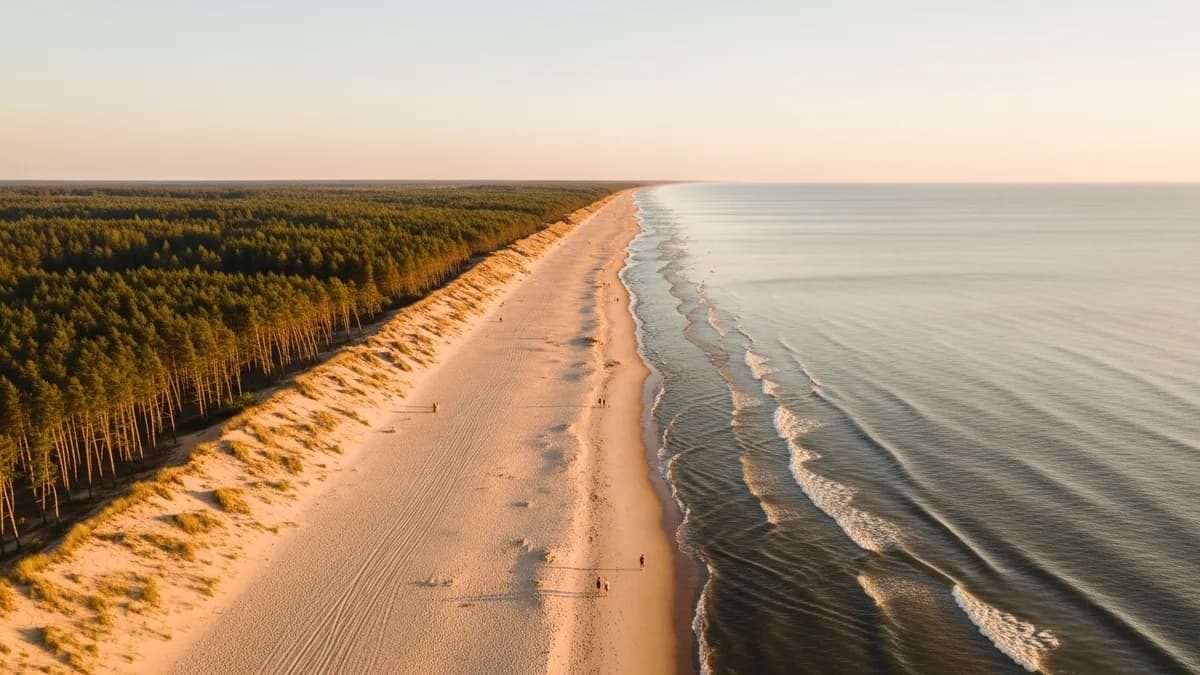
Jastarnia is located on the narrow Hel Peninsula, surrounded by water on two sides: the open Baltic Sea to the north and Puck Bay to the south. This maritime location shapes the weather more than the calendar, so when planning your stay, it's worth looking not only at the season but at the specific month. The climate here is oceanic (Köppen Cfb type): mild, with smaller temperature fluctuations than inland, a cooler spring, and a warmer, long autumn.
In short: the warmest months are July and August, when the average air temperature reaches around 18°C, and the Baltic Sea water warms up to approximately 18-20°C (comfortable swimming usually from mid-July to the end of August). Winters are mild, around 0-2°C. The most sunshine occurs from late spring to summer, and it is windiest and rainiest in autumn. Contrary to popular belief, Jastarnia is not the sunniest place in Poland, but it has a mild, breezy microclimate with many clear days.
What is the climate like in Jastarnia?
Jastarnia has an oceanic climate, moderated by the water surrounding the peninsula on both sides. In practice, this means smaller temperature swings during the day and year than in central Poland, a cooler spring (the sea cools down slowly) and a warmer, prolonged autumn (the sea releases heat). Summers can be sunny, but heatwaves are mitigated by sea breezes, and the air is rarely muggy. The same sea that moderates the temperature is also responsible for more cloudiness and humidity than in the sunny southeast of the country.
What is the temperature in Jastarnia month by month?
Below are the average monthly air temperatures for the Hel Peninsula (based on long-term climate norms from the Hel station). These are indicative values, averages over many years, not a forecast for a specific day.
| Month | Average air temperature | Character |
|---|---|---|
| January | approx. 0.6°C | Mild winter, rarely severe frosts |
| February | approx. 0.7°C | Cold, windy |
| March | approx. 2.7°C | Early spring, sea still cold |
| April | approx. 6.7°C | Spring, one of the driest months |
| May | approx. 11.4°C | Green, more sun, quiet |
| June | approx. 15.4°C | Longest days, water still cool |
| July | approx. 18.1°C | Peak season, warmest |
| August | approx. 18.2°C | Warmest month, warmest water |
| September | approx. 14.5°C | Warm, calm autumn, fewer people |
| October | approx. 9.7°C | Golden autumn, more rainfall |
| November | approx. 5.3°C | Grey, windy |
| December | approx. 2.2°C | Mild winter by the sea |
As you can see, August is the warmest, and the difference between July and August is small. Characteristic of the seaside is that September can be warmer and more pleasant than a cool, windy June, even though it is formally the end of summer.
What is the water temperature in the Baltic Sea near Jastarnia?
Sea temperature changes slower than air temperature, as water takes a long time to heat up and cool down. The Baltic Sea is warmest in August. The waters around the Hel Peninsula, especially the shallow and sheltered Puck Bay, warm up faster than the open sea, so it can be warmer on the bay side than on the open Baltic side.
| Month | Approximate water temperature | Swimming |
|---|---|---|
| May | approx. 10-12°C | Only for the hardened |
| June | approx. 14-16°C | Cool, short swims |
| July | approx. 18-20°C (in the bay up to approx. 21-23°C) | Comfortable, especially the second half |
| August | approx. 19-20°C (even more in the sheltered bay) | Warmest, best month for swimming |
| September | approx. 15-16°C | Getting cooler, water still holds heat |
In practice, the comfortable swimming season usually lasts from mid-July to the end of August, when the water in the open Baltic Sea exceeds 18°C. These are approximate values: the sea temperature can drop by several degrees in a single day after strong northerly winds (upwelling, when wind pushes warm water away from the shore). We describe safe swimming rules and the differences between the calm bay and the open sea in the guide safe swimming with children: bay or Baltic Sea.
When is Jastarnia sunniest?
The most sunshine occurs from late spring to late summer. June has the longest days of the year (it can be light for even a dozen hours a day), and May, July, and August are the months with the most sunny hours. In winter, the day is short, and the sun is low, so December and January are noticeably darker.
It is often said that Jastarnia or the Hel Peninsula is the sunniest place in Poland. This is more of a tourist saying than a fact confirmed by data. According to insolation measurements, the coastal strip has an annual number of sunshine hours similar to the national average (around 1600 hours), and the highest values are recorded in the southeast of the country, not by the sea. The peninsula, however, has another advantage: the sea breeze can disperse clouds, days are often clear and bright, and the mild microclimate makes the weather simply pleasant. We write more about this specificity in the guide nature and microclimate of the Hel Peninsula.
When does it rain in Jastarnia and how windy is it?
Rainfall occurs throughout the year but is unevenly distributed. Most rain usually falls in summer (July can be rainy despite high temperatures, due to thunderstorms) and autumn, and the least in spring, around April and May. Therefore, spring, though cooler, can be surprisingly dry and clear.
The peninsula is a windy place, which in summer means a pleasant breeze mitigating the heat, and in autumn and winter strong winds and storms from the open Baltic Sea. Wind, by the way, is why Chałupy and its surroundings are a mecca for kitesurfing. If you are planning an off-season stay, pack a windproof and waterproof jacket. A list of items adapted to the season can be found in the guide seasonal packing lists for Hel.
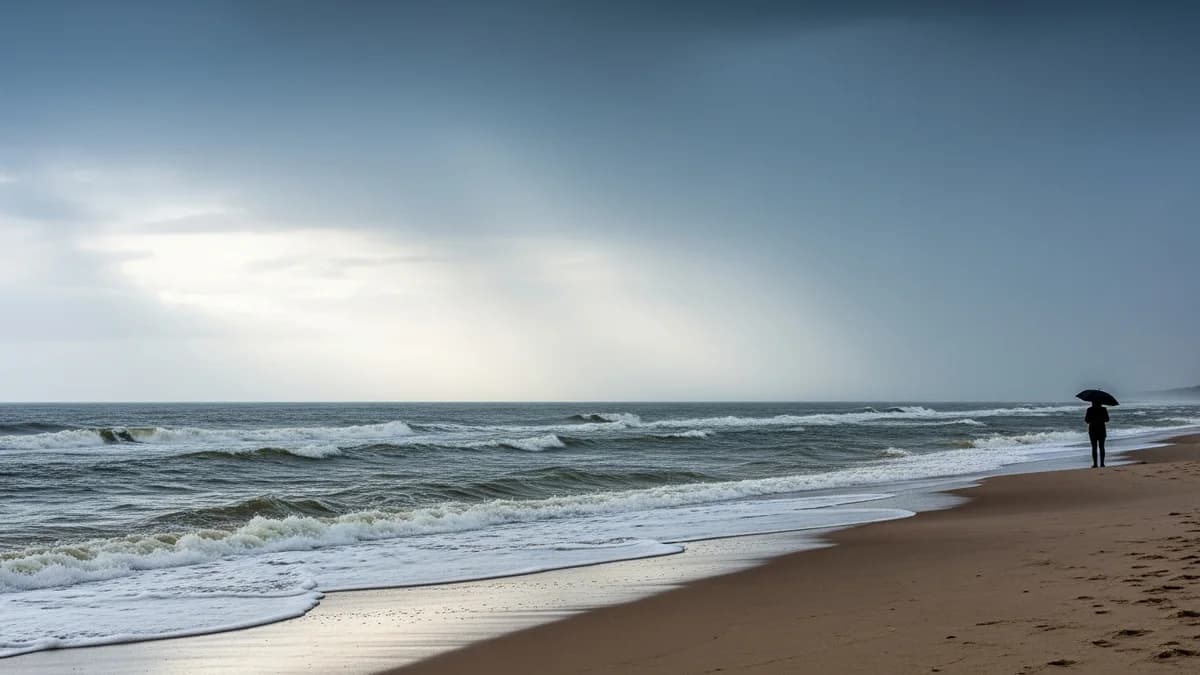
Which month to choose for your stay?
Each season offers something different. Below is a summary to help match the timing to your expectations.
| Season | What it offers | For whom |
|---|---|---|
| May-June | Long, bright days, greenery, quiet, dry; water still cool | Walks, cycling, peace before the season |
| July-August | Warmest, warmest water, peak season and crowds | Swimming, family holidays |
| September | Warm, calm autumn, water still pleasant, fewer people | Couples, quiet holiday, photography |
| October-November | Golden autumn, then grey and windy, more rainfall | Stormy walks, spa, quiet |
| December-February | Mild, windy winter by the sea, short day | Relaxation, sauna, pool, weekend for two |
| March-April | Early spring, dry and clear, season awakens | Active people, seeking peace |
If you want to avoid crowds, check which months are the calmest in the guide when Hel is crowded and when it's calm. Ideas for a full day regardless of the weather are gathered in the guide attractions on Hel: what to see, and the decision of which season to visit is compared on the page when to go to Jastarnia.
Summary
The weather in Jastarnia is primarily a mild, oceanic rhythm: warm summer without heatwaves, long autumn, mild winter, and dry, bright spring. The choice of month depends on what you are looking for, from swimming in the warm August sea to stormy walks and sauna off-season.
A convenient base in Jastarnia from which to observe any weather can be Apartament Zdrojowy 323 in Hotel Dom Zdrojowy: a 36-square-meter studio with a balcony and Baltic Sea view, air conditioning, and a private parking space in the underground garage. The hotel's pool and saunas are open until 9 PM, so a cloudy day doesn't have to mean a lost day. Current rates can be found in the price list section, and available dates can be checked via booking.
Sources
- IMGW-PIB: data and climate norms (Hel station)
- Institute of Meteorology and Water Management: water temperature and climate of the Baltic Sea
- Average monthly air temperatures based on long-term climate norms for the Hel station; approximate water temperatures and insolation data are long-term averages, not a forecast for a specific day.
Frequently asked questions
When is the Baltic Sea water warmest near Jastarnia?
The water is warmest in August, reaching approximately 19-20°C. The shallow, sheltered Puck Bay can be warmer. The comfortable swimming season typically extends from mid-July to late August.
What is the average summer temperature in Jastarnia?
In July and August, the average air temperature is around 18°C. Sea breezes moderate heat, so oppressive humidity is rare.
Is Jastarnia the sunniest town in Poland?
Data does not confirm this. The coastal strip has sunshine levels similar to the national average (around 1600 hours per year). The most sunshine annually is recorded in southeastern Poland. However, the Peninsula offers a mild, breezy microclimate and many clear days.
Which month is best for a stay in Jastarnia?
For swimming, July and August. For tranquility and warm water with fewer crowds, September. For quiet and long, dry days, May and June.
What is winter like in Jastarnia?
Mild by Polish standards, with averages around 0-2°C, but windy and with short daylight hours. Severe frosts are infrequent due to the proximity of the sea.